
Seis plugins de WordPress amanecieron con puerta trasera y el repositorio los frenó antes de publicarlos
Los complementos de WP Connect, con más de 3.600 instalaciones, fueron manipulados el 22 de noviembre para ejecutar código en los sitios que los usaran. No hubo que parchear nada: WordPress.org detectó el módulo de control remoto y congeló las versiones antes de que salieran del repositorio.
WP Connect's add-ons, installed on more than 3,600 WordPress sites, were altered on 22 November to run code on any site using them. Nothing needed patching: WordPress.org spotted the remote-control module and froze the releases before they left the repository.

La cadena de suministro de WordPress se salvó esta vez por minutos. El 22 de noviembre alguien con acceso a la cuenta de WordPress.org del desarrollador WP Connect confirmó versiones modificadas de seis de sus complementos, todas con el mismo módulo de control remoto. El equipo de plugins lo detectó por su cuenta y las bloqueó antes de que se pudieran descargar.
Los afectados son Air WP Sync (Airtable a WordPress, 2.9.1 a 2.9.4), WP Sync for Notion (1.7.4), el complemento de Brevo para Gravity Forms (2.6.3), los de Contact Form 7 a Airtable (2.5.4) y a Notion (1.6.4), y Orders Sync to Airtable para WooCommerce (1.0.2). Entre todos suman más de 3.600 instalaciones, según Wordfence. El fallo se sigue como CVE-2026-135202, con 9,8 de nota, y no tiene parche.
Qué hacía la puerta trasera
Cada versión cargaba en silencio includes/airwp-online.php, un archivo que se ejecuta en cada petición: manda al servidor del atacante —tascredit-pay[.]com— la URL del sitio, las versiones de PHP, WordPress y del sistema, y el usuario del servidor; después ejecuta con eval() el código PHP que le devuelvan. Desde ahí acepta órdenes de shell en cola, lee, escribe y borra archivos arbitrarios, consulta cualquier tabla, vuelca la tabla de usuarios con correos y hashes de contraseñas, deja una webshell en la carpeta de subidas y registra una tarea horaria de WP-Cron para volver a ejecutar código cuando el plugin ya no esté.
Ese detalle es el que importa: desinstalar el plugin no desinfecta el sitio. Quien no recibió la versión maliciosa no tiene nada que hacer; quien la tenga debe buscar el archivo, revisar la carpeta de subidas y las tareas programadas, y cambiar las credenciales de la base de datos.
«A diferencia de una vulnerabilidad típica, esto no fue un error de programación y no hay parche: el código malicioso se añadió a propósito y se confirmó en el repositorio de WordPress.org de cada plugin», explicó Chloe Chamberland, de Wordfence.
Que nadie lo descargara se debe al nuevo periodo de espera que WordPress.org estrenó en septiembre dentro de su iniciativa «Protect The Shire»: las versiones nuevas pasan por revisión automática antes de publicarse, y ese margen bastó para ver el módulo y cerrar los seis plugins de forma permanente.
La otra cara: campañas que se pelean entre sí
En paralelo, URLscan.io documentó un sitio infectado por trece inyecciones ClickFix de tres kits —LOM, ErrTraffic y Macfinger— más siete cargadores. Varias intentan borrar el código de las otras y una desactiva a otra por colisión de nombres en JavaScript; cinco resuelven su infraestructura desde contratos inteligentes de Polygon, la técnica conocida como EtherHiding.
Para quien mantenga un sitio: comprobar si tiene alguno de esos seis plugins, actualizar solo desde el repositorio oficial y desconfiar de espejos y archivos «premium» de foros.
Fuentes: The Hacker News · Wordfence · URLscan.io
WordPress's supply chain was saved by minutes this time. On 22 November somebody with access to the WordPress.org account of developer WP Connect committed modified versions of six of its plugins, all carrying the same remote-control module. WordPress.org's plugins team found it on its own and blocked the releases before they could be downloaded.
The affected add-ons are Air WP Sync (Airtable to WordPress, 2.9.1 to 2.9.4), WP Sync for Notion (1.7.4), the Brevo add-on for Gravity Forms (2.6.3), the Contact Form 7 to Airtable (2.5.4) and to Notion (1.6.4) add-ons, and Orders Sync to Airtable for WooCommerce (1.0.2). Together they are installed on more than 3,600 sites, according to Wordfence. The flaw is tracked as CVE-2026-135202, scores 9.8 and has no patch.
What the backdoor did
Every release silently loaded includes/airwp-online.php, a file that runs on every request: it sends the attacker's server —tascredit-pay[.]com— the site URL, the PHP, WordPress and OS versions and the server user, then runs whatever PHP code comes back through eval(). From there it accepts queued shell commands, reads, writes and deletes arbitrary files, queries any database table, dumps the users table with emails and password hashes, drops a web shell in the uploads folder and registers an hourly WP-Cron task to run code again after the plugin is gone.
That detail is the one that matters: uninstalling the plugin does not clean the site. Anyone who did not receive the malicious version has nothing to do; anyone who did should look for the file, check the uploads folder and scheduled tasks, and rotate database credentials.
'Unlike a typical vulnerability, this was not a coding mistake, and there is no patch: the malicious code was added deliberately and committed to each plugin's WordPress.org repository,' said Wordfence's Chloe Chamberland.
Nobody downloaded it because of the new release-hold protection WordPress.org introduced in September under its 'Protect The Shire' initiative: new versions go through automated review before publication, and that window was enough to spot the module and close all six plugins permanently.
The other side: campaigns fighting each other
In parallel, URLscan.io documented a site infected by thirteen ClickFix injections from three kits —LOM, ErrTraffic and Macfinger— plus seven loaders. Several try to delete each other's code and one disables another through a JavaScript naming collision; five resolve their infrastructure from Polygon smart contracts, the technique known as EtherHiding.
For anyone running a site: check whether any of those six plugins is installed, update only from the official repository and be suspicious of mirrors and 'premium' files from forums.
Fuentes: The Hacker News · Wordfence · URLscan.io
Sigue leyendo
Keep reading

Unos 100.000 residentes de Colorado exponen documentos de identidad en la brecha de myColorado
Los atacantes entraron en el apartado donde los usuarios guardan PDF y fotos de carnés, matrículas y pólizas. La aplicación oficial del estado sigue fuera de línea una semana después y el estado empezó a avisar a los afectados este viernes.
Some 100,000 Colorado residents have identity documents exposed in the myColorado breach
Attackers got into the section where users store PDFs and photos of licences, registrations and insurance cards. The state's official app is still offline a week later and notifications began on Friday.
RealVNC corrige un fallo crítico que permite entrar sin autenticarse por UDP
CVE-2026-137738, con 9,8 sobre 10, es una escritura fuera de límites en las conexiones UDP de RealVNC. Permite ejecutar código de forma remota —como root en algunas plataformas— o tumbar el servicio antes del inicio de sesión.
RealVNC patches a critical flaw that lets attackers in without logging in, over UDP
CVE-2026-137738, rated 9.8 out of 10, is an out-of-bounds write in RealVNC's UDP connections. It allows remote code execution — as root on some platforms — or a crash, before authentication.
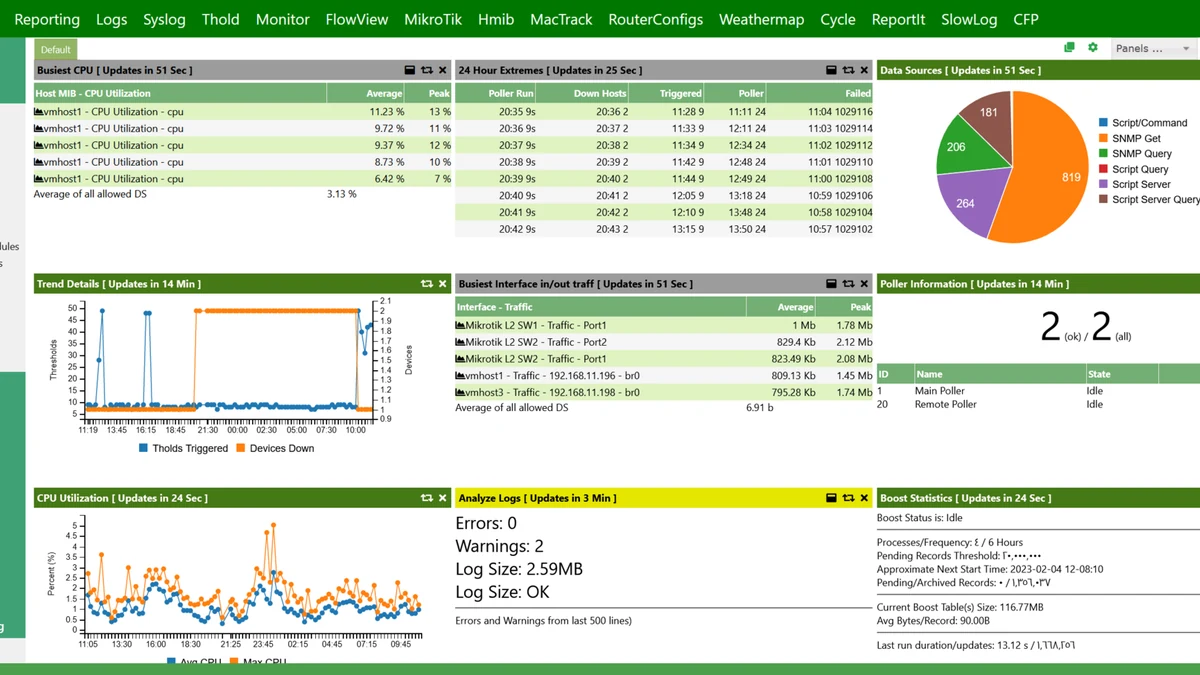
Cacti tiene un cero día sin parche: cuatro peticiones HTTP y el atacante manda en el servidor
Un investigador publicó la prueba de concepto 4HTTP2SHELL contra Cacti 1.2.31. Basta con que la cuenta de invitado esté activa: inyección SQL almacenada, poller manipulado y ejecución de comandos. No hay CVE ni corrección.
Cacti has an unpatched zero-day: four HTTP requests and the attacker owns the server
A researcher published the 4HTTP2SHELL proof of concept against Cacti 1.2.31. All it takes is an enabled guest account: stored SQL injection, a tampered poller and command execution. No CVE, no fix.