
Windows Server 2028 se queda sin WSUS, sin VBScript y sin WMIC: Microsoft retira el rol que repartía parches
El documento de funciones retiradas confirma que el próximo Windows Server elimina el rol de servidor WSUS, además de VBScript, WMIC y WINS. Microsoft empuja a Autopatch, Intune y Azure Update Manager.
The removed-features document confirms that the next Windows Server drops the WSUS server role, along with VBScript, WMIC and WINS. Microsoft is pushing Autopatch, Intune and Azure Update Manager.
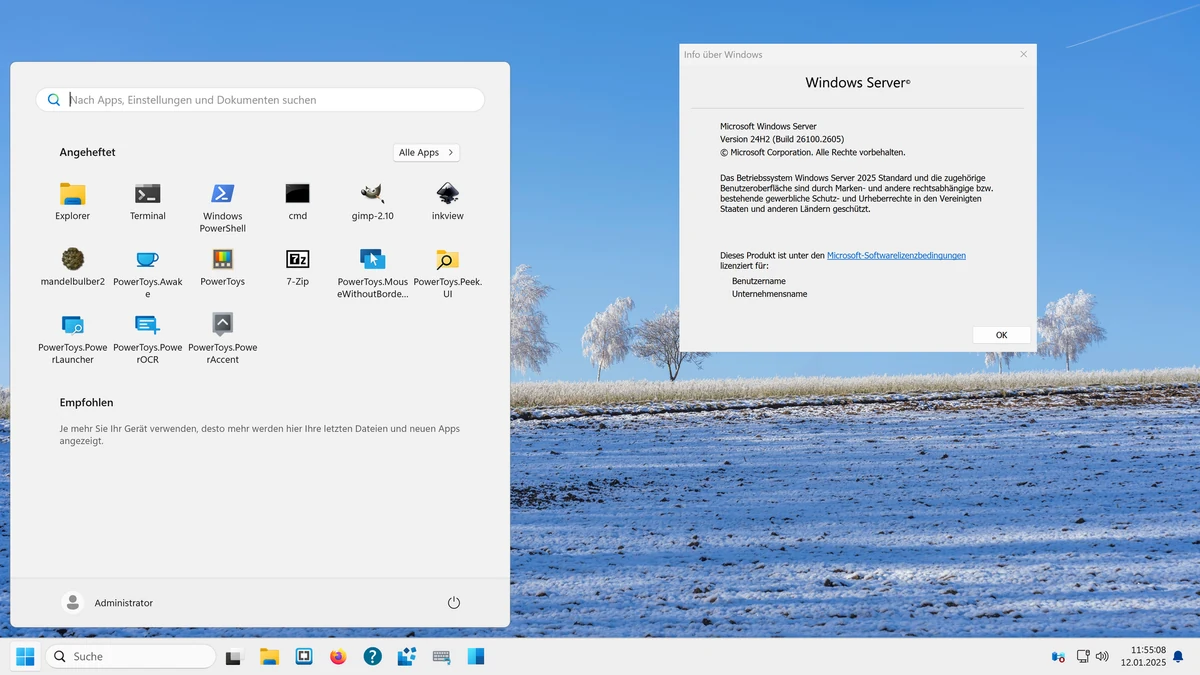
Veinte años repartiendo parches
WSUS nació en 2005 como Software Update Services y se convirtió en la pieza con la que un administrador decide qué actualizaciones de Microsoft llegan a cientos o miles de equipos, en vez de que cada uno las baje por su cuenta de los servidores de la compañía. Microsoft lo declaró obsoleto en septiembre de 2024, pero prometió mantenerlo funcionando y seguir publicando actualizaciones por ese canal. Ahora ha ido más lejos: el documento de funciones retiradas y obsoletas de Windows Server, actualizado esta semana, confirma que Windows Server 2028 elimina el rol por completo.
Qué sigue y qué no
El rol no desaparece de golpe en las instalaciones existentes. Microsoft precisa que WSUS sigue disponible y soportado en versiones anteriores, incluido Windows Server 2025, mientras dure el ciclo de vida de cada una, y que desde ellas se pueden seguir gestionando las actualizaciones de clientes y servidores soportados, también las de Windows Server 2028. El cambio no afecta a los usuarios domésticos ni a quien ya usa Microsoft Configuration Manager.
Lo que desaparece es la posibilidad de montar un servidor WSUS nuevo en el sistema operativo siguiente. La recomendación de la compañía es moverse a herramientas en la nube: Windows Autopatch e Intune para los equipos de usuario y Azure Update Manager para los servidores. «WSUS sigue operativo, pero ya no invertimos en funciones nuevas», resumió Nir Froimovici, de Microsoft, cuando se anunció la obsolescencia.
No es solo WSUS
Windows Server 2028, presentado en la conferencia Ignite de este mes, también retira VBScript y la utilidad de línea de comandos WMIC, dos piezas que el malware ha usado durante años para ejecutar código y recoger información del sistema. Se suma la desaparición del servicio WINS, obsoleto desde Windows Server 2022, que todavía sostiene la resolución de nombres en redes antiguas.
«Aunque el rol WSUS sigue disponible en Windows Server 2025, recomendamos a las organizaciones pasarse a herramientas en la nube», dijo Froimovici.
El problema de la red cerrada
El discurso encaja con una empresa conectada, pero no con todas. WSUS es la solución habitual en redes sin salida directa a internet, en plantas industriales y en entornos regulados donde un servidor interno es la única forma de distribuir parches con control. Para esos casos, la retirada del rol obliga a buscar un sustituto de terceros, a mantener un Windows Server 2025 solo para actualizar o a abrir la puerta a la nube.
Hay además un efecto secundario para el inventario: hasta ahora, saber qué versión de WSUS corría en un servidor servía para deducir qué parches había aprobado. Con el rol fuera del sistema operativo, esa señal desaparece y el control se traslada a consolas externas, con su propio registro. Microsoft no ha anunciado una alternativa local para redes aisladas: la única vía oficial es la nube.
Fuentes: Microsoft Learn: funciones retiradas de Windows Server, BleepingComputer.
Twenty years handing out patches
WSUS was born in 2005 as Software Update Services and became the piece that lets an administrator decide which Microsoft updates reach hundreds or thousands of machines, instead of each one pulling them from the company's servers on its own. Microsoft declared it deprecated in September 2024 but promised to keep it running and to keep publishing updates through that channel. Now it has gone further: the Windows Server removed-and-deprecated features document, updated this week, confirms that Windows Server 2028 drops the role altogether.
What stays and what goes
The role does not vanish overnight from existing installations. Microsoft states that WSUS remains available and supported in earlier releases, including Windows Server 2025, for the duration of each release's lifecycle, and that those releases can still manage updates for supported clients and servers, including Windows Server 2028. The change does not affect home users or anyone already using Microsoft Configuration Manager.
What disappears is the option to stand up a new WSUS server on the next operating system. The company's advice is to move to cloud tools: Windows Autopatch and Intune for end-user devices and Azure Update Manager for servers. «WSUS remains operational but is no longer investing in new features», Microsoft's Nir Froimovici summed up when the deprecation was announced.
Not just WSUS
Windows Server 2028, unveiled at this month's Ignite conference, also removes VBScript and the WMIC command-line utility, two pieces malware has used for years to run code and gather system information. Add the disappearance of the WINS service, deprecated since Windows Server 2022, which still carries name resolution on older networks.
«While the WSUS role remains available in Windows Server 2025, we recommend organizations transition to cloud tools», Froimovici said.
The problem of the closed network
The pitch fits a connected company, not every company. WSUS is the usual answer on networks with no direct internet access, in industrial plants and in regulated environments where an internal server is the only way to distribute patches under control. For those cases, losing the role means finding a third-party replacement, keeping a Windows Server 2025 alive just to update, or opening the door to the cloud.
There is also a side effect for inventory: until now, knowing which WSUS version ran on a server helped infer which patches had been approved. With the role out of the operating system, that signal disappears and control moves to external consoles with their own record. Microsoft has not announced a local alternative for isolated networks: the only official path is the cloud.
Sources: Microsoft Learn: removed features in Windows Server, BleepingComputer.
Sigue leyendo
Keep reading
El autor de Heretic archiva la herramienta que quitaba los filtros a los modelos abiertos: 43.600 estrellas y ningún sucesor
Philipp Emanuel Weidmann cerró el repositorio el 28 de noviembre, en solo lectura, sin nombrar relevo. Miles de modelos publicados en Hugging Face se hicieron con este programa y ahora dependen de que la comunidad mantenga un fork.
The author of Heretic archives the tool that stripped filters from open models: 43,600 stars and no successor
Philipp Emanuel Weidmann closed the repository on 28 November, read-only, without naming a replacement. Thousands of models published on Hugging Face were built with this program and now depend on the community keeping a fork alive.

Aragón pierde otro campus de datos: los 150 MW de conexión de Épila acaban en el proyecto de Blackstone en Calatorao
Box2Bit abandona Epilon, su tercer proyecto frustrado en la región, y vende a Blackstone los derechos de capacidad eléctrica que había reservado. En la industria de la IA la conexión a la red ya vale más que el terreno.
Aragon loses another data campus: Epila's 150 MW grid connection ends up in Blackstone's Calatorao project
Box2Bit abandons Epilon, its third failed project in the region, and sells Blackstone the power capacity rights it had reserved. In the AI industry, a grid connection is now worth more than the land.
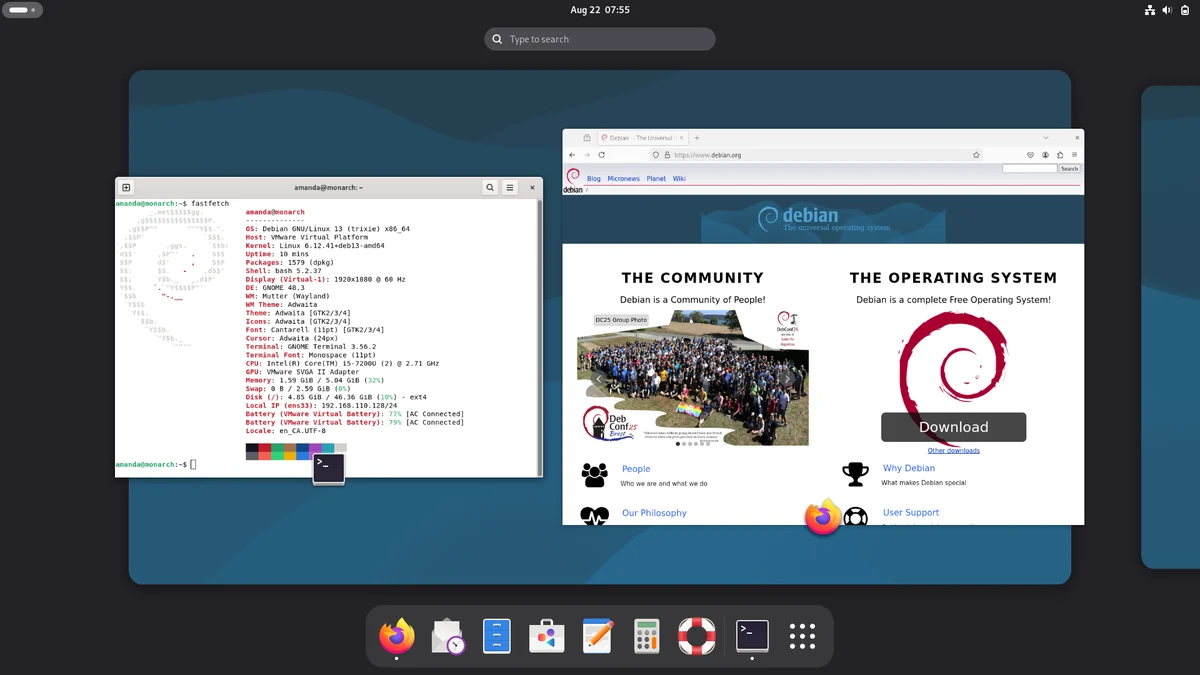
Un Linux completo dentro de una pestaña: Unkernel y Trynix llevan el kernel a WebAssembly
Dos proyectos arrancan Debian 13 y NixOS dentro del navegador, con kernel real y sin hipervisor. Nacieron en dos semanas, con ayuda de modelos de lenguaje, y apuntan a un cambio de capa: la pestaña como sustituto de la máquina virtual.
A full Linux inside a browser tab: Unkernel and Trynix take the kernel to WebAssembly
Two projects boot Debian 13 and NixOS inside the browser, with a real kernel and no hypervisor. They appeared within two weeks, with help from language models, and point to a layer change: the tab replacing the virtual machine.