
Cinco fallos en WhatsApp: un mensaje con «detalles del pedido» basta para borrar archivos del teléfono
CERT-In marca como alta una tanda de cinco vulnerabilidades que afectan a WhatsApp y WhatsApp Business en Android, iOS, Mac y Windows. Cuatro no tienen explotación conocida; la quinta, según Meta, pudo usarse junto a mensajes de spam.
CERT-In rates a batch of five vulnerabilities as high severity, affecting WhatsApp and WhatsApp Business on Android, iOS, Mac and Windows. Four have no known exploitation; the fifth, according to Meta, may have been used alongside spam messages.
El aviso
CERT-In, la agencia india de ciberseguridad, publicó el 26 de noviembre el aviso CIVN-2026-0576, de severidad alta, con cinco vulnerabilidades en WhatsApp. Afectan a WhatsApp Messenger y WhatsApp Business en Android e iOS, y a los clientes de escritorio para Mac y Windows. Las causas: suplantación de adjuntos, inyección SQL, validación incorrecta de la cadena de certificados y validación incompleta de los mensajes enriquecidos con IA y de las URL de respuesta a anuncios.
Ninguna requiere que la víctima instale nada: basta un mensaje, un adjunto o un enlace manipulado para ejecutar código, obtener información sensible o saltarse restricciones.
Los cinco, uno por uno
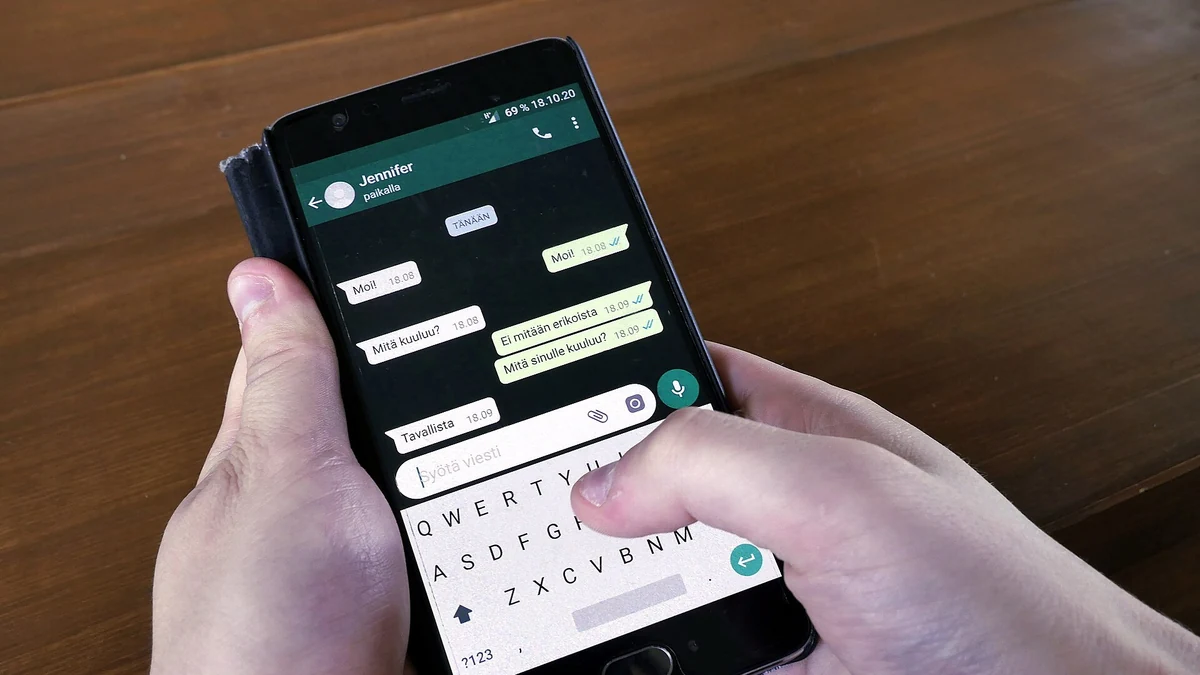
- CVE-2026-102769, Android anterior a la 2.26.35.74. Un cliente no oficial envía un mensaje de «detalles del pedido» manipulado; al tocarlo se dispara una inyección SQL que puede borrar los archivos locales de WhatsApp. Meta añade que, si el usuario está en línea al recibirlo, podía filtrar un bit sobre su base de datos de chats mediante un canal lateral de temporización.
- CVE-2026-23863, Windows anterior a la 2.3000.1032164386.258709. Suplantación de adjuntos: un documento con bytes nulos en el nombre se muestra como un tipo de archivo y se ejecuta como programa al abrirlo.
- CVE-2026-23866, iOS y Android. Una respuesta «rica» generada por IA sobre un Reel de Instagram podía hacer que el dispositivo cargara contenido desde una URL plantada por el atacante.
- CVE-2026-23871, Android. Las URL de respuesta a anuncios «Click to WhatsApp» no se validaban bien: una respuesta falsa podía hacer que el teléfono cargara medios desde una dirección del atacante y revelara la IP. Meta dice que pudo usarse con ciertos mensajes de spam.
- CVE-2026-44908. Validación incorrecta de la cadena de certificados: podría permitir saltarse la raíz de confianza por hardware.
«Un atacante remoto podría explotar estas vulnerabilidades enviando un mensaje, un archivo adjunto o una URL especialmente diseñados al sistema objetivo», resume CERT-In.
Qué hacer
Actualizar. Versiones corregidas: 2.26.35.74 en Android; 2.26.23.70 en Business Android; 2.26.24.72 en iOS; 2.26.23.72 en Business iOS y Mac; 2.3000.1032164386.258709 en Windows. No hay parche del sistema operativo: el fallo está en la aplicación, así que conviene revisar a mano la versión, también la del móvil de la oficina.
Dos matices. El aviso es de India, pero las versiones afectadas son las mismas en todo el mundo. Y cuatro de los cinco fallos no tienen explotación conocida: dos se publicaron en mayo y Meta no ha visto uso. El único con indicios es el de las URL publicitarias. En un país donde WhatsApp es la vía principal de un negocio, la lista de versiones es lo único que hay que mirar esta mañana.
Fuentes: CERT-In, aviso CIVN-2026-0576, avisos de seguridad de WhatsApp 2026, CVE-2026-23871, MediaNama, India Today.
The advisory
CERT-In, India's cybersecurity agency, published advisory CIVN-2026-0576 on 26 November, rated high severity, listing five vulnerabilities in WhatsApp. They affect WhatsApp Messenger and WhatsApp Business on Android and iOS, plus the desktop clients for Mac and Windows. The causes: attachment spoofing, SQL injection, improper certificate chain validation and incomplete validation of AI rich response messages and external ad-reply URLs.
None requires the victim to install anything: a crafted message, attachment or link is enough to run code, reach sensitive information or bypass security restrictions.
The five, one by one
- CVE-2026-102769, Android before 2.26.35.74. An unofficial client sends a crafted «order details» message; tapping it triggers an SQL injection that can delete WhatsApp's locally stored files. Meta adds that, if the user is online when it arrives, the flaw could leak one bit about the chat database through a timing side channel.
- CVE-2026-23863, Windows before 2.3000.1032164386.258709. Attachment spoofing: a document with NUL bytes in its filename is displayed as one file type and runs as a program when opened.
- CVE-2026-23866, iOS and Android. An AI-generated rich response about an Instagram Reel could make the device load content from an attacker-planted URL.
- CVE-2026-23871, Android. «Click to WhatsApp» ad-reply URLs were not properly validated: a crafted reply could make the phone fetch media from an attacker's address and reveal the IP. Meta says it may have been used with certain spam messages.
- CVE-2026-44908. Improper certificate chain validation, which the advisory says could allow a bypass of the hardware root of trust.
«A remote attacker could exploit these vulnerabilities by sending a specially crafted message, attachment or URL to the targeted system,» CERT-In summarises.
What to do
Update. Fixed versions: 2.26.35.74 on Android; 2.26.23.70 on Business for Android; 2.26.24.72 on iOS; 2.26.23.72 on Business for iOS and Mac; 2.3000.1032164386.258709 on Windows. No operating system patch will help: the flaw lives in the app, so anyone with automatic updates off should check by hand, including on the office phone.
Two caveats. The advisory comes from India, but the affected versions are the same worldwide. And four of the five flaws have no known exploitation: two were disclosed in May and Meta has seen no use. The advertising-URL one is the only one the company links to spam. In a country where WhatsApp is a business's main channel, the version list is the only thing worth checking this morning.
Fuentes: CERT-In advisory CIVN-2026-0576, WhatsApp 2026 security advisories, CVE-2026-23871, MediaNama, India Today.
Sigue leyendo
Keep reading
College Board confirma la brecha: entraron a las cuentas nuevas y a las solicitudes de ayuda financiera
La organización del SAT y los exámenes AP dice que los atacantes usaron herramientas de IA para encontrar un fallo en la página de registro. Desactivó el registro de cuentas y el CSS Profile en plena temporada de solicitudes de ingreso.
College Board confirms the breach: attackers got into new accounts and financial aid applications
The organisation behind the SAT and AP exams says attackers used AI tools to find a flaw on the sign-up page. It switched off new account registration and the CSS Profile in the middle of college application season.
Los instaladores oficiales de Q-Dir y DesktopOK traían un RAT de Python: abrían el programa de verdad y espiaban por detrás
AhnLab confirmó que algunos instaladores servidos por la web oficial de SoftwareOK, incluidos los de la ruta de actualización, estaban manipulados. Ejecutan la utilidad legítima, firmada y con el hash publicado, mientras descargan un troyano que lleva su propio intérprete de Python.
Official Q-Dir and DesktopOK installers carried a Python RAT: they opened the real program and spied behind it
AhnLab confirmed that some installers served by SoftwareOK's official site, including those on the update path, had been tampered with. They run the legitimate, signed utility matching the published hash while downloading a trojan that ships its own Python runtime.
Un troyano escondido al final de dos modelos de IA: 2.428 descargas en Hugging Face y una plantilla que pide ejecutar PowerShell
Un escaneo de los 3,27 millones de repositorios públicos de Hugging Face encontró cinco modelos GGUF maliciosos, dos de ellos con un programa de Windows pegado después del último tensor. Días después, la plantilla de chat se cambió para que el propio modelo dictara el comando que lo despierta.
A trojan hidden at the end of two AI models: 2,428 downloads on Hugging Face and a template that asks you to run PowerShell
A scan of all 3.27 million public Hugging Face repositories found five malicious GGUF models, two of them carrying a Windows program appended after the last tensor. Days later the chat template was rewritten so the model itself prints the command that wakes it up.