
Los instaladores oficiales de Q-Dir y DesktopOK traían un RAT de Python: abrían el programa de verdad y espiaban por detrás
AhnLab confirmó que algunos instaladores servidos por la web oficial de SoftwareOK, incluidos los de la ruta de actualización, estaban manipulados. Ejecutan la utilidad legítima, firmada y con el hash publicado, mientras descargan un troyano que lleva su propio intérprete de Python.
AhnLab confirmed that some installers served by SoftwareOK's official site, including those on the update path, had been tampered with. They run the legitimate, signed utility matching the published hash while downloading a trojan that ships its own Python runtime.
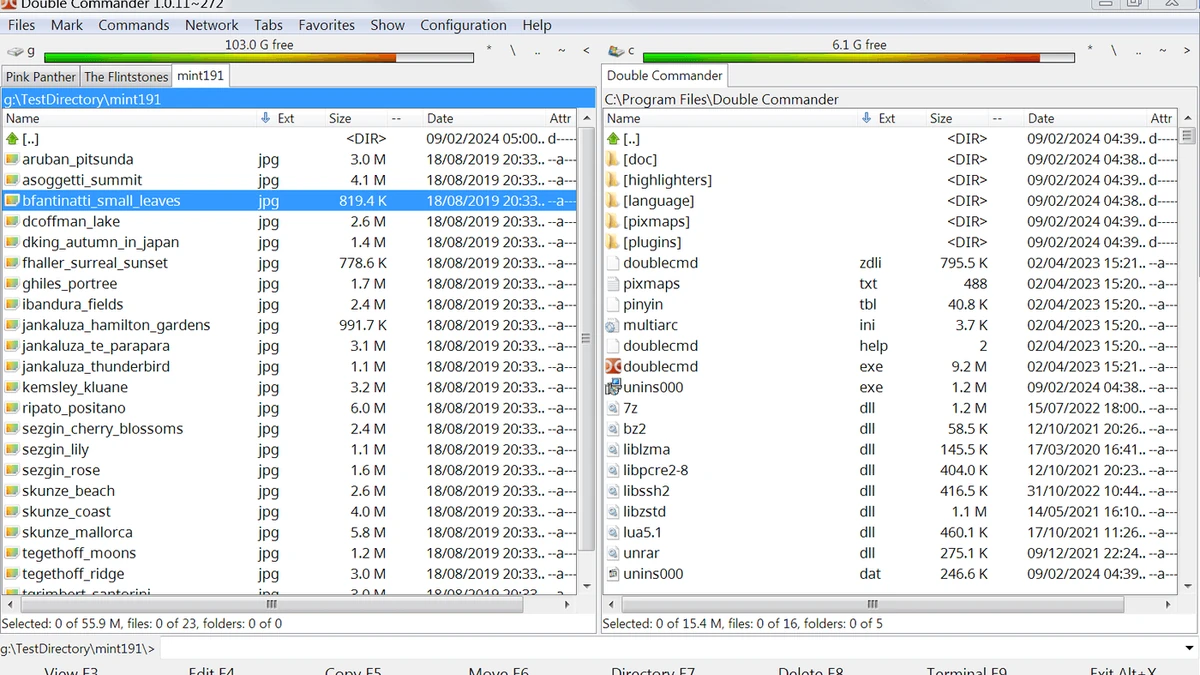
El programa se abre y funciona
Q-Dir es un gestor de archivos de varios paneles que se ofrece como alternativa al Explorador de Windows; DesktopOK guarda la posición de los iconos del escritorio cuando se cambia de monitor o de resolución. Los dos son gratuitos, los firma el mismo desarrollador, Nenad Hrg, y se distribuyen desde el sitio SoftwareOK.
Según AhnLab, algunos de sus instaladores descargados de esa web oficial venían manipulados.
Firmado, pero el que no coincide
El detalle que hace daño es el del engaño. El instalador malicioso lleva dentro el ejecutable legítimo de Q-Dir o DesktopOK, que sí coincide con el hash publicado en la página de descargas y sí tiene la firma válida del desarrollador. Al ejecutarse, crea ese programa auténtico en una carpeta pública, lo abre y el usuario ve la ventana que esperaba.
El hash que no cuadra es el del instalador completo. Ahí está la trampa: verificar el programa que aparece en pantalla no revela nada.
Del instalador al RAT
Mientras el gestor de archivos se abre, el instalador se conecta a un servidor externo y descarga dos archivos: 7zr.exe, una herramienta legítima de 7-Zip, y un paquete con un intérprete de Python y el troyano. El paquete se instala en C:\ProgramData\Microsoft\DeviceSync\b2 y se sostiene con una tarea programada llamada \UPnp\MicrosoftEdge_dcntel. Como viaja con su propio Python, funciona aunque el equipo no lo tenga instalado.
«El instalador malicioso ejecuta el Q-Dir o el DesktopOK legítimos para reducir la sospecha del usuario, mientras descarga e instala desde un servidor externo un paquete de RAT en Python», escribe AhnLab.
Con la puerta abierta, el atacante puede ejecutar comandos de shell y código Python, subir y bajar archivos, tomar capturas de pantalla y recoger información del sistema. El troyano compara además la lista de procesos activos con 1.206 nombres de productos de seguridad —desde AhnLab V3 hasta CrowdStrike, SentinelOne, Kaspersky, ESET o Bitdefender— y manda el resultado a su servidor de control para decidir cómo seguir sin ser detectado.
Lo que se sabe y lo que no
Las versiones confirmadas como manipuladas son Q-Dir 12.83, 12.84 y 12.85 y DesktopOK 12.82 y 12.85. AhnLab avisa de que la lista puede quedarse corta y de que la manipulación también apareció durante la actualización de programas ya instalados: no hacía falta volver a la web.
Lo que no se sabe es cómo se reemplazaron los archivos en el servidor, ni cuántas víctimas hay; los comentarios en chino del código solo apuntan a un autor que trabaja en ese idioma. La recomendación es doble: si se usó una de estas versiones, tratar el equipo como comprometido, cambiar credenciales desde otro dispositivo y revisar la tarea programada; y si se va a reinstalar, comparar el SHA-256 del instalador con el de la web antes de ejecutarlo.
Fuentes: AhnLab ASEC, BleepingComputer, The Hacker News.
The program opens and works
Q-Dir is a multi-pane file manager offered as an alternative to Windows Explorer; DesktopOK saves desktop icon positions when you switch monitors or change resolution. Both are free, both are signed by the same developer, Nenad Hrg, and both are distributed from the SoftwareOK site. They are not mainstream tools, but system administrators and power users rely on them.
According to AhnLab, some installers downloaded from that official site had been tampered with. Not from a mirror or an advert: from the vendor's own distribution path.
Signed, but the wrong file
The detail that hurts is the disguise. The malicious installer carries the genuine Q-Dir or DesktopOK executable inside, and that executable matches the hash published on the download page and carries the developer's valid signature. When it runs, it drops the authentic program into a public folder and launches it, so the user sees the window they expected.
The hash that does not match is the whole installer's. That is the trap: checking the program on screen reveals nothing.
From installer to RAT
While the file manager opens, the installer contacts an external server and downloads two files: 7zr.exe, a legitimate 7-Zip tool, and a package holding a Python runtime and the trojan. The package installs to C:\ProgramData\Microsoft\DeviceSync\b2 and persists through a scheduled task named \UPnp\MicrosoftEdge_dcntel. Because it carries its own Python, it works on a machine that never installed Python.
«The malicious installer runs the legitimate Q-Dir or DesktopOK to lower the user's suspicion, while simultaneously downloading and installing a Python RAT package from an external server», AhnLab writes.
With the door open, the attacker can run shell commands and Python code, upload and download files, take screenshots and collect system information. The trojan also compares the list of running processes against 1,206 security product names —from AhnLab V3 to CrowdStrike, SentinelOne, Kaspersky, ESET or Bitdefender— and sends the result to its command server so operators can decide how to proceed without being detected.
What is known and what is not
The versions confirmed as tampered with are Q-Dir 12.83, 12.84 and 12.85 and DesktopOK 12.82 and 12.85. AhnLab warns the list may be short and that tampered files also appeared while updating programs already installed: going back to the site was not required.
What is not known is how the files on the server were replaced. There is no victim count either. The Chinese comments in the code point to an author working in that language, nothing more. The advice is twofold: if one of these versions was used, treat the machine as compromised, change credentials from another device and check the scheduled task; and if reinstalling, compare the installer's SHA-256 with the one on the site before running it.
Fuentes: AhnLab ASEC, BleepingComputer, The Hacker News.
Sigue leyendo
Keep reading
College Board confirma la brecha: entraron a las cuentas nuevas y a las solicitudes de ayuda financiera
La organización del SAT y los exámenes AP dice que los atacantes usaron herramientas de IA para encontrar un fallo en la página de registro. Desactivó el registro de cuentas y el CSS Profile en plena temporada de solicitudes de ingreso.
College Board confirms the breach: attackers got into new accounts and financial aid applications
The organisation behind the SAT and AP exams says attackers used AI tools to find a flaw on the sign-up page. It switched off new account registration and the CSS Profile in the middle of college application season.
Un troyano escondido al final de dos modelos de IA: 2.428 descargas en Hugging Face y una plantilla que pide ejecutar PowerShell
Un escaneo de los 3,27 millones de repositorios públicos de Hugging Face encontró cinco modelos GGUF maliciosos, dos de ellos con un programa de Windows pegado después del último tensor. Días después, la plantilla de chat se cambió para que el propio modelo dictara el comando que lo despierta.
A trojan hidden at the end of two AI models: 2,428 downloads on Hugging Face and a template that asks you to run PowerShell
A scan of all 3.27 million public Hugging Face repositories found five malicious GGUF models, two of them carrying a Windows program appended after the last tensor. Days later the chat template was rewritten so the model itself prints the command that wakes it up.
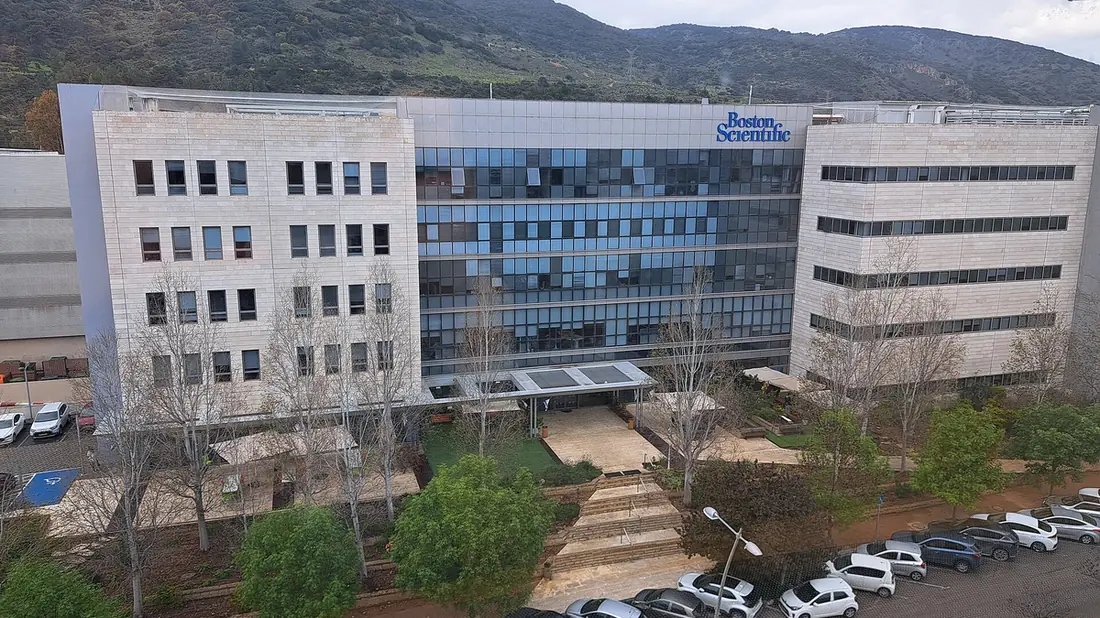
Un «vishing» a Boston Scientific expone datos médicos y números de Seguro Social de 117.789 personas
Los atacantes convencieron por teléfono a empleados y entraron en la nube de la empresa de dispositivos médicos, donde había información desde el 7 de mayo. El aviso llega tres meses después de otro incidente que paralizó pedidos y envíos en todo el mundo.
A vishing call to Boston Scientific exposes medical data and Social Security numbers of 117,789 people
Attackers talked employees through a phone call and got into the medical device maker's cloud, where information had been sitting since 7 May. The notice arrives three months after another incident that disrupted orders and shipping worldwide.