
Un «vishing» a Boston Scientific expone datos médicos y números de Seguro Social de 117.789 personas
Los atacantes convencieron por teléfono a empleados y entraron en la nube de la empresa de dispositivos médicos, donde había información desde el 7 de mayo. El aviso llega tres meses después de otro incidente que paralizó pedidos y envíos en todo el mundo.
Attackers talked employees through a phone call and got into the medical device maker's cloud, where information had been sitting since 7 May. The notice arrives three months after another incident that disrupted orders and shipping worldwide.
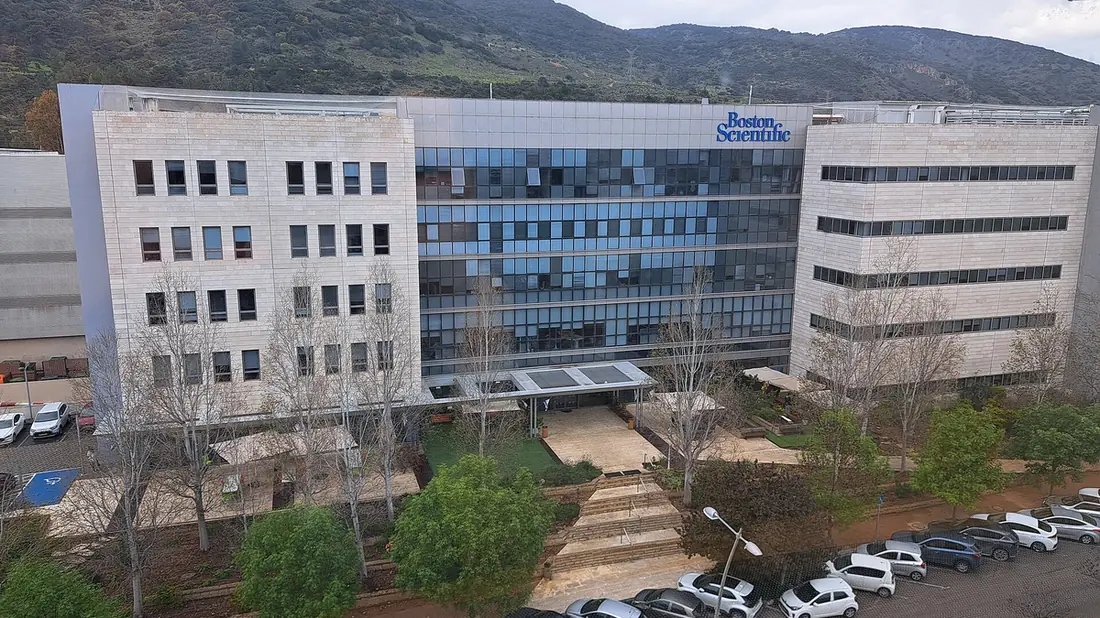
La llamada
Boston Scientific está enviando cartas de brecha a personas afectadas por un ciberataque que la empresa atribuye a una técnica de ingeniería social por voz, el «vishing»: alguien llamó, se hizo pasar por quien no era y consiguió credenciales de empleados. Con esas credenciales, los atacantes llegaron a la infraestructura en la nube de la compañía, según la notificación que la firma presentó a las autoridades de Estados Unidos.
El acceso no autorizado a aplicaciones y datos alojados en la nube empezó el 7 de mayo. La empresa lo detectó el 12 de mayo y concluyó el 5 de noviembre que había habido filtración de datos personales. El portal de brechas de la fiscalía de Texas registra 117.789 personas afectadas.
Qué se llevaron
La lista de datos expuestos es la que duele en un fabricante de dispositivos médicos: nombre completo, dirección física, número de Seguro Social, número de documento oficial como pasaporte o identificación estatal, información médica, información del seguro de salud y fecha de nacimiento.
La carta precisa qué no salió: historiales médicos de pacientes y datos de sistemas de seguimiento remoto, dispositivos médicos conectados y aplicaciones de gestión de casos clínicos o de flujo de trabajo. La empresa también dice que el incidente no interrumpió la fabricación, los pedidos, la distribución ni el servicio a pacientes y proveedores, y que no afectó a la seguridad de sus productos.
El segundo del año
Boston Scientific, con sede en Massachusetts, fabrica stents, catéteres, marcapasos y endoscopios, tiene más de 59.000 empleados y facturó más de 20.000 millones de dólares en 2025. No es la primera vez que le pasa este año: el 25 de agosto reveló otro ciberataque que causó cortes de red y una interrupción global de operaciones, incluidos el procesamiento de pedidos y los envíos. Entonces, CrowdStrike concluyó que el atacante entró por un dispositivo de red expuesto a internet y se movió por parte del entorno local, sin tocar la nube.
Un portavoz confirmó a BleepingComputer que el incidente de ahora no tiene relación con el de agosto, y declinó dar más detalles. La empresa dice que contuvo el problema, investigó con expertos externos y notificó a las autoridades. La carta no ofrece monitoreo de crédito gratuito: recomienda pedir los informes gratuitos y considerar alertas de fraude y bloqueos de crédito.
«No hubo interrupción de la fabricación, los pedidos, la distribución ni el servicio a pacientes y proveedores de salud como consecuencia de este incidente», afirma la empresa en su notificación.
La lección
El «vishing» no rompe un cortafuegos: rompe a una persona. Por eso las defensas que funcionan no dependen de que alguien distinga una llamada falsa: segundo factor resistente al phishing con passkeys o llaves físicas, permisos mínimos en la nube y registro de identidades para ver desde dónde se entra.
Fuentes: BleepingComputer, carta de notificación presentada en California, aviso de la empresa.
The call
Boston Scientific is sending breach letters to people affected by a cyberattack the company attributes to voice-based social engineering, or vishing: someone called, posed as somebody else and obtained employee credentials. With those credentials, the attackers reached the company's cloud infrastructure, according to the notification the firm filed with US authorities.
Unauthorised access to cloud-hosted applications and data began on 7 May. The company detected it on 12 May and concluded on 5 November that personal data had been exposed. The Texas attorney general's breach portal lists 117,789 affected people.
What was taken
The list of exposed data is the one that hurts at a medical device maker: full name, physical address, Social Security number, government-issued ID number such as a passport or state ID card, medical information, health insurance information and date of birth.
The letter specifies what did not leave: patient medical records and data from remote monitoring systems, connected medical devices and clinical case management or workflow applications. The company also says the incident did not interrupt manufacturing, ordering, distribution or service to patients and providers, and did not affect the safety of its products.
The second one this year
Massachusetts-based Boston Scientific makes stents, catheters, pacemakers, defibrillators and endoscopes, employs more than 59,000 people across 13 manufacturing sites, and reported more than $20 billion in revenue in 2025. This is not its first time this year: on 25 August it disclosed another cyberattack that caused network outages and a global operational disruption, including order processing and shipping. In that case, CrowdStrike's investigation concluded the attacker entered through an internet-facing network device and moved through a limited part of the on-premises environment, without touching cloud applications.
A spokesperson confirmed to BleepingComputer that the current incident is unrelated to the August one, and declined to share more details. The company says it contained the problem, investigated with outside experts and notified law enforcement. The letter offers no free credit monitoring: it recommends requesting free credit reports and considering fraud alerts and credit freezes.
«There was no disruption to manufacturing, ordering, distribution, or service to patients and healthcare providers as a result of this incident», the company states in its notification.
The lesson
Vishing does not break a firewall: it breaks a person. That is why the defences that work are the ones that do not rely on somebody spotting a fake call: phishing-resistant second factors with passkeys or hardware keys, least privilege on cloud applications, and logging of cloud identities so you can see where logins come from.
Fuentes: BleepingComputer, breach notification filed in California, company notice.
Sigue leyendo
Keep reading
College Board confirma la brecha: entraron a las cuentas nuevas y a las solicitudes de ayuda financiera
La organización del SAT y los exámenes AP dice que los atacantes usaron herramientas de IA para encontrar un fallo en la página de registro. Desactivó el registro de cuentas y el CSS Profile en plena temporada de solicitudes de ingreso.
College Board confirms the breach: attackers got into new accounts and financial aid applications
The organisation behind the SAT and AP exams says attackers used AI tools to find a flaw on the sign-up page. It switched off new account registration and the CSS Profile in the middle of college application season.
Los instaladores oficiales de Q-Dir y DesktopOK traían un RAT de Python: abrían el programa de verdad y espiaban por detrás
AhnLab confirmó que algunos instaladores servidos por la web oficial de SoftwareOK, incluidos los de la ruta de actualización, estaban manipulados. Ejecutan la utilidad legítima, firmada y con el hash publicado, mientras descargan un troyano que lleva su propio intérprete de Python.
Official Q-Dir and DesktopOK installers carried a Python RAT: they opened the real program and spied behind it
AhnLab confirmed that some installers served by SoftwareOK's official site, including those on the update path, had been tampered with. They run the legitimate, signed utility matching the published hash while downloading a trojan that ships its own Python runtime.
Un troyano escondido al final de dos modelos de IA: 2.428 descargas en Hugging Face y una plantilla que pide ejecutar PowerShell
Un escaneo de los 3,27 millones de repositorios públicos de Hugging Face encontró cinco modelos GGUF maliciosos, dos de ellos con un programa de Windows pegado después del último tensor. Días después, la plantilla de chat se cambió para que el propio modelo dictara el comando que lo despierta.
A trojan hidden at the end of two AI models: 2,428 downloads on Hugging Face and a template that asks you to run PowerShell
A scan of all 3.27 million public Hugging Face repositories found five malicious GGUF models, two of them carrying a Windows program appended after the last tensor. Days later the chat template was rewritten so the model itself prints the command that wakes it up.