
Los puertos de EE.UU. reciben cientos de intrusiones al día y el FBI ya señala a una IA llamada Artex
Corpus Christi habla de cientos o miles de intentos diarios y Los Ángeles dice haber bloqueado 120 millones en agosto. Lo que se rompe no es la grúa: es el sistema de carga. La investigación también apunta a petroleros abordados en alta mar y a un atacante que automatiza campañas con IA.
Corpus Christi reports hundreds or thousands of daily attempts and Los Angeles says it blocked 120 million in August. What breaks is not the crane but the cargo system. The investigation also points to tankers boarded offshore and an attacker automating campaigns with AI.
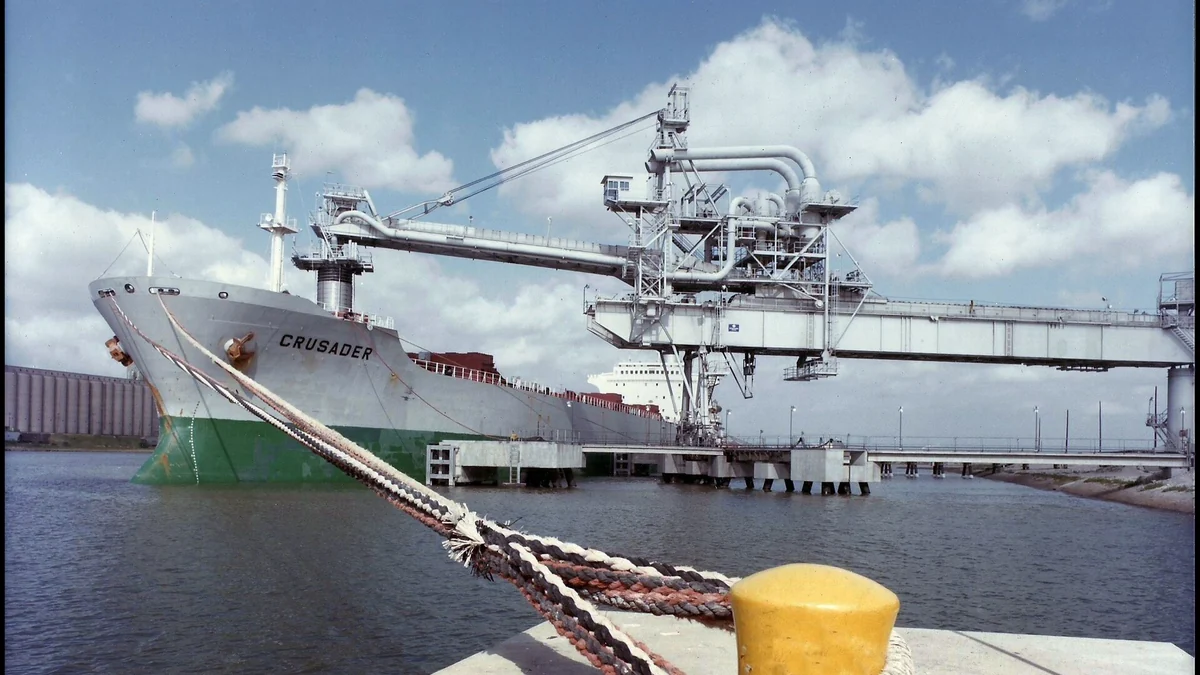
El puerto de Corpus Christi, en Texas, mueve unos 2,3 millones de barriles de crudo al día y es la mayor puerta de exportación de petróleo de Estados Unidos. Sus ejecutivos dijeron al Financial Times que sus redes reciben entre cientos y miles de intentos de intrusión cada día, con escaneos automatizados y correos que suplantan a directivos para que un empleado abra la puerta.
El puerto de Los Ángeles, el más transitado del país, informó de que en agosto bloqueó 120 millones de intentos de ataque, según Bloomberg; su director ejecutivo, Gene Seroka, resume la asimetría del problema: al atacante le basta acertar una vez. El puerto de Virginia advierte de que la inteligencia artificial está acelerando las amenazas, y la autoridad de Nueva York y Nueva Jersey habla de «capas independientes de protección» y de planes de recuperación acordados con las terminales.
Lo que se rompe no es la grúa
El análisis del sector insiste en un punto que se pierde en el titular: un puerto puede seguir abierto con su sistema de carga caído. Si falla la base de datos de la terminal, la instrucción de entrega o el sistema de reservas, miles de movimientos de mercancía se atascan aunque los barcos floten y las grúas funcionen. La prueba ocurrió en agosto en Carolina del Norte: un ciberataque contra Ports NC afectó los sistemas de información, retrasó las puertas de las terminales y obligó a procesar carga a mano.
«Están hurgando en nuestros sistemas buscando vulnerabilidades. Con la IA, solo se va a complicar más», dijo Kent Britton, consejero delegado de Corpus Christi.
La investigación también revela el frente marítimo: el FBI y la Guardia Costera investigan compromisos en los sistemas de petroleros y en agosto abordaron dos buques en alta mar, el 21 y el 24, para revisar su informática. Maersk reconoció en noviembre una intrusión con robo de datos. La semana pasada el FBI avisó de que un atacante está usando una herramienta de inteligencia artificial llamada Artex para automatizar campañas.
Defensa con radios y papel
Muchos puertos siguen dependiendo de respaldos analógicos —radios de dos vías, registros en papel, señales a mano— para que los barcos no se detengan si la red falla. Es una lección de arquitectura: separar los sistemas de seguridad y de control de los administrativos, ensayar los procedimientos con la Guardia Costera cada mes y asumir que el correo interno es la vía de entrada favorita.
Los expertos reparten la autoría entre grupos criminales y actores estatales de Irán, Corea del Norte y China; la firma Shieldworkz señaló en octubre amenazas del grupo ruso Noname057(16) contra operadores europeos. Los atacantes suelen enrutar su tráfico por terceros países, así que el origen técnico dice poco por sí solo.
Fuentes: Financial Times · NewsNation · Anadolu · ShipUniverse
The Port of Corpus Christi in Texas moves about 2.3 million barrels of crude a day and is the largest US oil export gateway. Its executives told the Financial Times that its networks see hundreds, sometimes thousands, of intrusion attempts every day, with automated scanning and emails impersonating senior executives to get an employee to open the door.
The Port of Los Angeles, the busiest in the country, said it blocked 120 million attempted attacks in August, according to Bloomberg; its executive director, Gene Seroka, sums up the asymmetry: the attacker only has to be right once. The Port of Virginia warns that artificial intelligence is intensifying the threat, and the Port Authority of New York and New Jersey speaks of "independent layers of protection" and recovery plans agreed with terminal operators.
What breaks is not the crane
The sector's analysis keeps returning to a point the headline loses: a port can stay open with its cargo system down. If the terminal database, the release instruction or the booking system fails, thousands of cargo movements stall even though ships float and cranes work. The test case came in August in North Carolina: a cyberattack on Ports NC hit information systems, delayed terminal gates and forced cargo to be processed by hand.
"They're poking at our systems and trying to find vulnerabilities. With AI, it'll only get more complicated," said Kent Britton, Corpus Christi's chief executive.
The reporting also covers the maritime front: the FBI and the Coast Guard are investigating compromises in tanker systems and in August boarded two vessels offshore, on the 21st and the 24th, to inspect their IT. Maersk disclosed a data-theft intrusion in November. Last week the FBI warned that an attacker is using an AI tool called Artex to automate campaigns.
Defence with radios and paper
Many ports still rely on analogue fallbacks — two-way radios, paper records, hand signals — so that ships keep moving when the network fails. The architectural lesson: separate safety and control systems from administrative ones, rehearse procedures with the Coast Guard every month, and assume internal email is the favoured way in.
Experts spread attribution between criminal groups and state actors in Iran, North Korea and China; security firm Shieldworkz flagged threats from the Russia-linked group Noname057(16) against European operators in October. Attackers often route traffic through third countries, so technical origin alone says little.
Sources: Financial Times · NewsNation · Anadolu · ShipUniverse
Sigue leyendo
Keep reading
College Board confirma la brecha: entraron a las cuentas nuevas y a las solicitudes de ayuda financiera
La organización del SAT y los exámenes AP dice que los atacantes usaron herramientas de IA para encontrar un fallo en la página de registro. Desactivó el registro de cuentas y el CSS Profile en plena temporada de solicitudes de ingreso.
College Board confirms the breach: attackers got into new accounts and financial aid applications
The organisation behind the SAT and AP exams says attackers used AI tools to find a flaw on the sign-up page. It switched off new account registration and the CSS Profile in the middle of college application season.
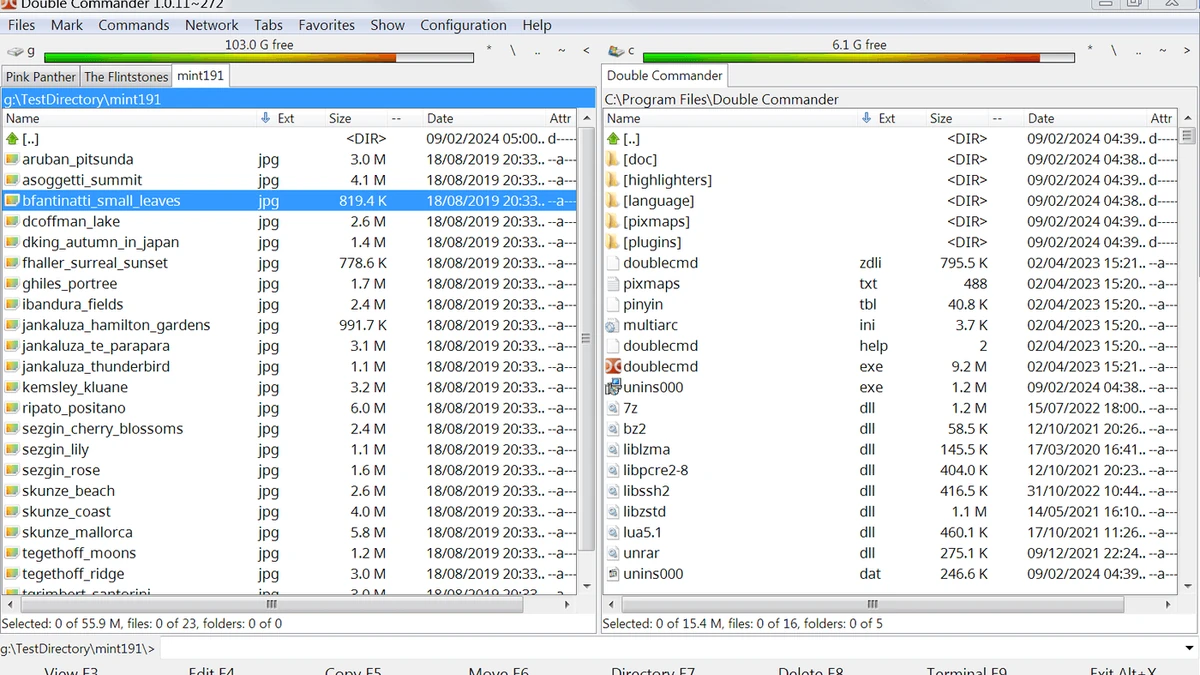
Los instaladores oficiales de Q-Dir y DesktopOK traían un RAT de Python: abrían el programa de verdad y espiaban por detrás
AhnLab confirmó que algunos instaladores servidos por la web oficial de SoftwareOK, incluidos los de la ruta de actualización, estaban manipulados. Ejecutan la utilidad legítima, firmada y con el hash publicado, mientras descargan un troyano que lleva su propio intérprete de Python.
Official Q-Dir and DesktopOK installers carried a Python RAT: they opened the real program and spied behind it
AhnLab confirmed that some installers served by SoftwareOK's official site, including those on the update path, had been tampered with. They run the legitimate, signed utility matching the published hash while downloading a trojan that ships its own Python runtime.
Un troyano escondido al final de dos modelos de IA: 2.428 descargas en Hugging Face y una plantilla que pide ejecutar PowerShell
Un escaneo de los 3,27 millones de repositorios públicos de Hugging Face encontró cinco modelos GGUF maliciosos, dos de ellos con un programa de Windows pegado después del último tensor. Días después, la plantilla de chat se cambió para que el propio modelo dictara el comando que lo despierta.
A trojan hidden at the end of two AI models: 2,428 downloads on Hugging Face and a template that asks you to run PowerShell
A scan of all 3.27 million public Hugging Face repositories found five malicious GGUF models, two of them carrying a Windows program appended after the last tensor. Days later the chat template was rewritten so the model itself prints the command that wakes it up.