
Un ciberataque para la mina de uranio de Wyoming: entraron por la planta y el campo de pozos, no por las oficinas
Peninsula Energy mantiene parado su proyecto Lance desde el 20 de noviembre tras un incidente en los sistemas de operación y control. No hay fecha de reinicio, la negociación en bolsa sigue suspendida y todavía no se sabe si robaron datos.
Peninsula Energy has kept its Lance project shut since 20 November after an incident in its operating and control systems. There is no restart date, trading stays suspended and it is still unclear whether data was taken.
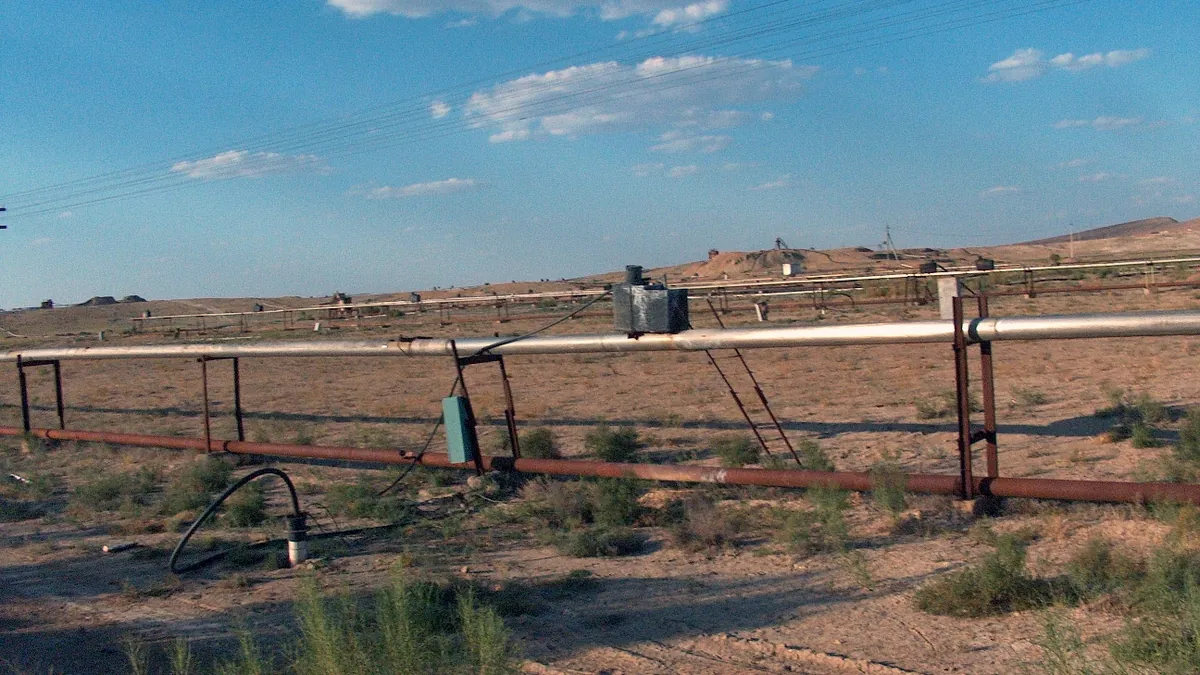
La planta y el campo de pozos
La australiana Peninsula Energy reconoció que un «incidente de ciberseguridad» afectó a los sistemas de operación y control de la planta y del campo de pozos de su proyecto Lance, en el condado de Crook, al noreste de Wyoming. Lo detectó su filial estadounidense, Strata Energy, en la mañana del 20 de noviembre. La empresa pidió el 23 de noviembre una suspensión de negociación en la Bolsa de Australia y amplió la información el día 25.
Lance no es una mina de túnel: extrae uranio por lixiviación in situ, inyectando una solución en el yacimiento y bombeando arriba el metal disuelto, que se procesa en la planta central hasta convertirlo en concentrado de uranio, el llamado yellowcake.
«Al tener conocimiento del incidente, la compañía activó de inmediato sus procedimientos de respuesta e implementó medidas de precaución, incluida la parada temporal de las operaciones en Lance y el aislamiento de los sistemas afectados», dice el comunicado a la bolsa.
Lo que sí se sabe y lo que no
La empresa sostiene que el ataque está «confinado a los sistemas de operación y control de la planta y del campo de pozos» y que las funciones administrativas —nóminas y el resto de sistemas corporativos— no se vieron afectadas, ni en Estados Unidos ni en Australia. Trajo especialistas externos y mantiene la investigación abierta, incluida la pregunta de si hubo compromiso de datos.
No ha dado fecha de reinicio: las operaciones seguirán paradas hasta que terminen la recuperación y las comprobaciones de seguridad. Tampoco puede evaluar el efecto en su previsión de producción para 2027, que era de entre 500.000 y 600.000 libras de óxido de uranio. La suspensión voluntaria de cotización se extiende hasta el 30 de noviembre o hasta que anuncie el reinicio, lo que llegue antes.
El contexto hace más doloroso el parón: la planta central de Lance se diseñó para 2,0 millones de libras al año y tiene licencia para 3,0 millones, pero la empresa ya retiró en julio su objetivo de 2026 por problemas de caudal en los pozos y no vendió uranio en el trimestre de septiembre.
No es un ERP caído
La diferencia con una brecha corporativa normal es el objetivo. Aquí lo tocado es la instrumentación que abre y cierra válvulas y controla bombas de una planta química; el sistema que decide si el proceso sigue o se detiene. Que el ataque no llegara a las oficinas sugiere una red de planta separada de la corporativa, que es precisamente lo que se recomienda en entornos industriales.
Aun así, la operación lleva más de una semana parada y nadie ha reclamado el ataque: no hay grupo de ransomware identificado, ni cifra de rescate, ni prueba de exfiltración. Para el sector, el aviso es el de siempre y no por repetido menos cierto: en una mina, el cortafuegos del edificio de administración no protege el pozo.
Fuentes: Peninsula Energy, anuncio a la ASX, World Nuclear News, The Register, SecurityWeek, Mining.com.
The plant and the wellfield
Australia's Peninsula Energy has acknowledged that a «cybersecurity incident» affected the operating and control systems of the plant and wellfield at its Lance project in Crook County, north-east Wyoming. Its US subsidiary, Strata Energy, detected it on the morning of 20 November. The company requested a trading halt on the Australian Securities Exchange on 23 November and expanded on the incident on the 25th.
Lance is not a tunnel mine: it extracts uranium by in-situ recovery, pumping a solution into the orebody and bringing the dissolved metal to the surface, where the central plant processes it into uranium concentrate, known as yellowcake.
«Upon becoming aware of the incident, the Company immediately activated its incident response procedures and implemented precautionary measures, including the temporary shutdown of operations at Lance and isolation of affected systems,» the ASX announcement says.
What is known and what is not
The company says the attack is «confined to the plant and wellfield operating and control systems» and that back-office functions — payroll and the rest of the corporate systems — were untouched, in both the US and Australia. It brought in outside specialists and its investigation remains open, including the question of whether any data was compromised.
It has given no restart date: operations will stay suspended until recovery and safety checks are complete. Nor can it assess the impact on 2027 production guidance, which stood at 500,000 to 600,000 pounds of uranium oxide. The voluntary suspension of trading runs until 30 November or until it announces a restart, whichever comes first.
The context makes the stoppage more painful: Lance's central plant was designed for 2.0 million pounds a year and is licensed for 3.0 million, but the company withdrew its 2026 target in July after flow problems at the wells and made no uranium sales in the September quarter.
This is not a downed ERP
What sets this apart from an ordinary corporate breach is the target. What was touched is the instrumentation that opens and closes valves and runs pumps in a chemical plant — the system that decides whether the process continues or stops. That the attack did not reach the offices suggests a plant network separated from the corporate one, which is exactly what industrial environments are supposed to have.
Even so, the operation has been down for more than a week and nobody has claimed the attack: no ransomware group named, no ransom figure, no evidence of exfiltration. For the sector the warning is the usual one, and no less true for being repeated: at a mine, the firewall in the admin building does not protect the well.
Fuentes: Peninsula Energy ASX announcement, World Nuclear News, The Register, SecurityWeek, Mining.com.
Sigue leyendo
Keep reading
College Board confirma la brecha: entraron a las cuentas nuevas y a las solicitudes de ayuda financiera
La organización del SAT y los exámenes AP dice que los atacantes usaron herramientas de IA para encontrar un fallo en la página de registro. Desactivó el registro de cuentas y el CSS Profile en plena temporada de solicitudes de ingreso.
College Board confirms the breach: attackers got into new accounts and financial aid applications
The organisation behind the SAT and AP exams says attackers used AI tools to find a flaw on the sign-up page. It switched off new account registration and the CSS Profile in the middle of college application season.
Los instaladores oficiales de Q-Dir y DesktopOK traían un RAT de Python: abrían el programa de verdad y espiaban por detrás
AhnLab confirmó que algunos instaladores servidos por la web oficial de SoftwareOK, incluidos los de la ruta de actualización, estaban manipulados. Ejecutan la utilidad legítima, firmada y con el hash publicado, mientras descargan un troyano que lleva su propio intérprete de Python.
Official Q-Dir and DesktopOK installers carried a Python RAT: they opened the real program and spied behind it
AhnLab confirmed that some installers served by SoftwareOK's official site, including those on the update path, had been tampered with. They run the legitimate, signed utility matching the published hash while downloading a trojan that ships its own Python runtime.
Un troyano escondido al final de dos modelos de IA: 2.428 descargas en Hugging Face y una plantilla que pide ejecutar PowerShell
Un escaneo de los 3,27 millones de repositorios públicos de Hugging Face encontró cinco modelos GGUF maliciosos, dos de ellos con un programa de Windows pegado después del último tensor. Días después, la plantilla de chat se cambió para que el propio modelo dictara el comando que lo despierta.
A trojan hidden at the end of two AI models: 2,428 downloads on Hugging Face and a template that asks you to run PowerShell
A scan of all 3.27 million public Hugging Face repositories found five malicious GGUF models, two of them carrying a Windows program appended after the last tensor. Days later the chat template was rewritten so the model itself prints the command that wakes it up.