
Palo Alto confirma que Fragnesia ya se explota en PAN-OS: la cadena llega a root
El aviso PAN-SA-2026-0015, del 25 de noviembre, reconoce ataques reales: todos entraron por una interfaz de gestión expuesta a internet y encadenaron PHP2Shell con la escalada del núcleo de Linux. Hay parches para las ramas 10.2 a 12.2.
Bulletin PAN-SA-2026-0015, published on 25 November, acknowledges real attacks: every one came through an internet-exposed management interface and chained PHP2Shell with the Linux kernel escalation. Fixes exist for branches 10.2 to 12.2.
Palo Alto Networks publicó el 25 de noviembre el boletín PAN-SA-2026-0015 con la frase que sus clientes llevaban semanas esperando: «Se ha observado explotación de CVE-2026-46300 dirigida a la interfaz de gestión de Palo Alto Networks expuesta a internet». Es la primera vez que el fabricante reconoce ataques reales contra Fragnesia, la escalada de privilegios del núcleo de Linux que hasta ahora solo estaba documentada en laboratorio y en informes de terceros.
Una escalada, no una puerta de entrada
Fragnesia vive en el subsistema XFRM ESP-in-TCP del núcleo. Por sí sola no sirve para entrar: necesita que alguien con pocos privilegios ya esté dentro de la máquina y desde ahí sube hasta root. La puerta la abre PHP2Shell (CVE-2026-109618 y CVE-2026-109619), dos fallos críticos de PHP divulgados en octubre que permiten ejecutar código sin autenticarse con los permisos del proceso web.
La cadena completa queda así: una petición contra la interfaz de gestión del cortafuegos, una webshell de PHP y, desde ahí, root. Palo Alto insiste en que no conoce otra vía:
«El único modo conocido de explotar esta vulnerabilidad exige que un atacante explote primero PHP2Shell a través de una interfaz de gestión expuesta a internet».
Lo que ya se sabía y lo que cambia
La cadena no es nueva. CISA avisó el 28 de octubre de que se estaba usando para desplegar webshells y ejecutar comandos como root, y Dream Security documentó 24 cortafuegos Palo Alto y un servidor de gestión interno comprometidos en Estados Unidos, Japón, Taiwán y Corea del Sur, incluida una entidad afiliada al Gobierno estadounidense. Unit 42 verificó el hallazgo y calculó que alrededor del 0,02 % de los equipos de sus clientes tenía la gestión abierta a internet.
Lo nuevo es la confirmación del fabricante y el parche del núcleo. Las versiones corregidas cubren las ramas 10.2, 11.1, 11.2, 12.1 y 12.2, con compilaciones como 11.2.16-h3 o 12.2.4-h3. El boletín está etiquetado como informativo y no asigna puntuación CVSS.
Quién está protegido y quién debería mirar
Si el equipo ya recibió la corrección de PHP2Shell, la ruta de entrada está cerrada y el aviso es informativo. Si la interfaz de gestión estuvo expuesta a internet en cualquier momento desde octubre, el consejo es otro: parchear no borra lo que ya ocurrió. Toca buscar webshells, revisiones de configuración y cuentas creadas dentro del cortafuegos.
La configuración vuelve a ser el problema. Palo Alto lleva años pidiendo que la gestión viva en una red de administración, detrás de VPN o con lista blanca de IP; los ataques observados usaban exactamente lo contrario.
Qué hacer esta semana
Inventariar qué equipos tienen el puerto de gestión accesible desde fuera, cerrarlo, aplicar la actualización y revisar registros de cambios sospechosos. Un cortafuegos es el portero de la red: si cae, lo que hay detrás deja de tener quién lo cuide.
Fuentes: Boletín PAN-SA-2026-0015 · BleepingComputer · Infosecurity Magazine · Unit 42 sobre PHP2Shell
Palo Alto Networks published bulletin PAN-SA-2026-0015 on 25 November with the sentence its customers had spent weeks waiting for: 'Exploitation of CVE-2026-46300 has been observed targeting the Palo Alto Networks management interface exposed to the internet.' It is the first time the vendor has acknowledged real attacks against Fragnesia, the Linux kernel privilege escalation previously documented only in labs and third-party reports.
An escalation, not a way in
Fragnesia lives in the kernel's XFRM ESP-in-TCP subsystem. On its own it is useless for breaking in: it needs someone with low privileges already inside the machine, and from there it climbs to root. The door is opened by PHP2Shell (CVE-2026-109618 and CVE-2026-109619), two critical PHP flaws disclosed in October that allow unauthenticated code execution with the web process's permissions.
The full chain reads: a request against the firewall's management interface, a PHP webshell, then root. Palo Alto insists it knows of no other route:
'The only known way to exploit this vulnerability requires an attacker to first exploit the PHP2Shell vulnerability through an internet-exposed management interface.'
What was already known and what changed
The chain is not new. CISA warned on 28 October that it was being used to deploy webshells and run commands as root, and Dream Security documented 24 Palo Alto firewalls and one internal management server compromised in the United States, Japan, Taiwan and South Korea, including a US government-affiliated body. Unit 42 verified the finding and estimated that roughly 0.02% of its customers' devices had management interfaces open to the internet.
What is new is the vendor's confirmation and the kernel fix. Corrected builds cover branches 10.2, 11.1, 11.2, 12.1 and 12.2, with releases such as 11.2.16-h3 and 12.2.4-h3. The bulletin is labelled informational and carries no CVSS score.
Who is protected and who should look
If a device already received the PHP2Shell fix, the entry path is closed and the notice is informational. If the management interface was reachable from the internet at any point since October, the advice is different: patching does not erase what already happened. Look for webshells, configuration reviews and accounts created inside the firewall.
Configuration is the problem again. Palo Alto has spent years telling customers to keep management on an administrative network, behind a VPN or behind an IP allow list; the observed attacks used exactly the opposite.
What to do this week
Inventory which devices expose the management port to the outside, close it, apply the update and review logs for suspicious changes. A firewall is the network's doorman: if it falls, everything behind it loses the person watching the door.
Sources: PAN-SA-2026-0015 bulletin · BleepingComputer · Infosecurity Magazine · Unit 42 on PHP2Shell
Sigue leyendo
Keep reading
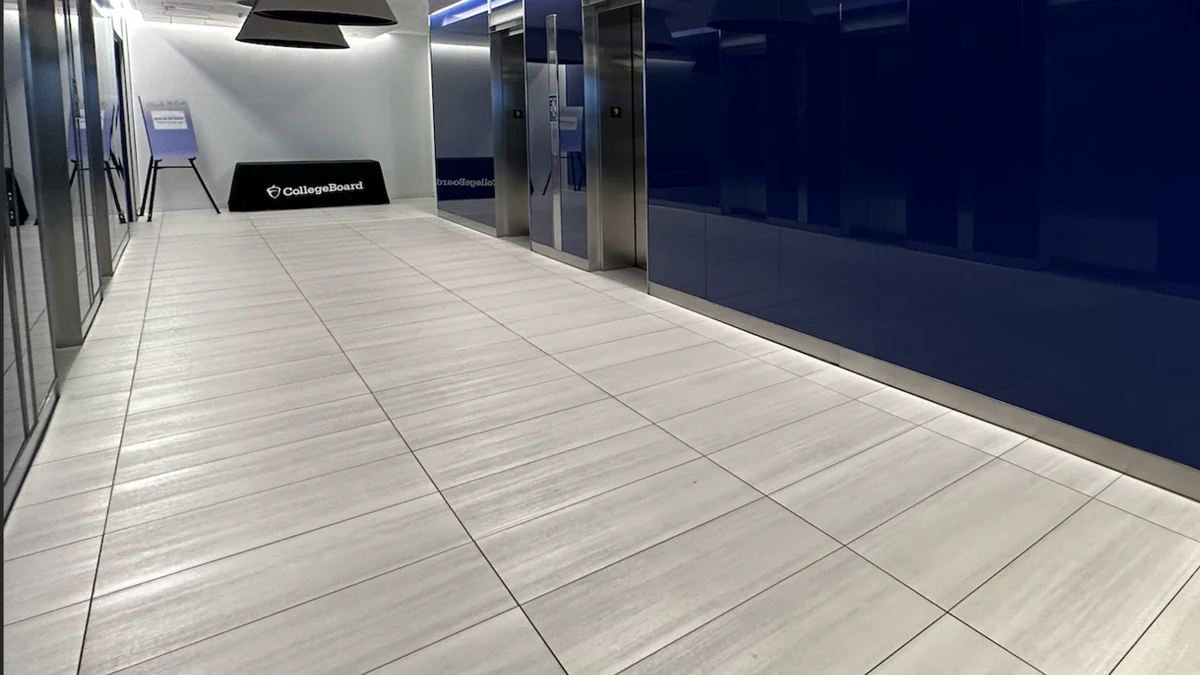
College Board confirma la brecha: entraron a las cuentas nuevas y a las solicitudes de ayuda financiera
La organización del SAT y los exámenes AP dice que los atacantes usaron herramientas de IA para encontrar un fallo en la página de registro. Desactivó el registro de cuentas y el CSS Profile en plena temporada de solicitudes de ingreso.
College Board confirms the breach: attackers got into new accounts and financial aid applications
The organisation behind the SAT and AP exams says attackers used AI tools to find a flaw on the sign-up page. It switched off new account registration and the CSS Profile in the middle of college application season.
Los instaladores oficiales de Q-Dir y DesktopOK traían un RAT de Python: abrían el programa de verdad y espiaban por detrás
AhnLab confirmó que algunos instaladores servidos por la web oficial de SoftwareOK, incluidos los de la ruta de actualización, estaban manipulados. Ejecutan la utilidad legítima, firmada y con el hash publicado, mientras descargan un troyano que lleva su propio intérprete de Python.
Official Q-Dir and DesktopOK installers carried a Python RAT: they opened the real program and spied behind it
AhnLab confirmed that some installers served by SoftwareOK's official site, including those on the update path, had been tampered with. They run the legitimate, signed utility matching the published hash while downloading a trojan that ships its own Python runtime.
Un troyano escondido al final de dos modelos de IA: 2.428 descargas en Hugging Face y una plantilla que pide ejecutar PowerShell
Un escaneo de los 3,27 millones de repositorios públicos de Hugging Face encontró cinco modelos GGUF maliciosos, dos de ellos con un programa de Windows pegado después del último tensor. Días después, la plantilla de chat se cambió para que el propio modelo dictara el comando que lo despierta.
A trojan hidden at the end of two AI models: 2,428 downloads on Hugging Face and a template that asks you to run PowerShell
A scan of all 3.27 million public Hugging Face repositories found five malicious GGUF models, two of them carrying a Windows program appended after the last tensor. Days later the chat template was rewritten so the model itself prints the command that wakes it up.