
NFS2ROOT: un fallo que vive en el kernel de Linux desde 2014 permite entrar como root sin credenciales
CVE-2026-99362 es un desbordamiento de memoria en el servidor de archivos en red. Basta con exportar NFS 4.1 o 4.2 y tener el puerto 2049 alcanzable; no hace falta usuario ni interacción. Ya hay parches y no se ha visto explotación real.
CVE-2026-99362 is an out-of-bounds memory write in the network file server. All it takes is exporting NFS 4.1 or 4.2 with port 2049 reachable; no user account and no interaction. Patches exist and no real-world exploitation has been reported.
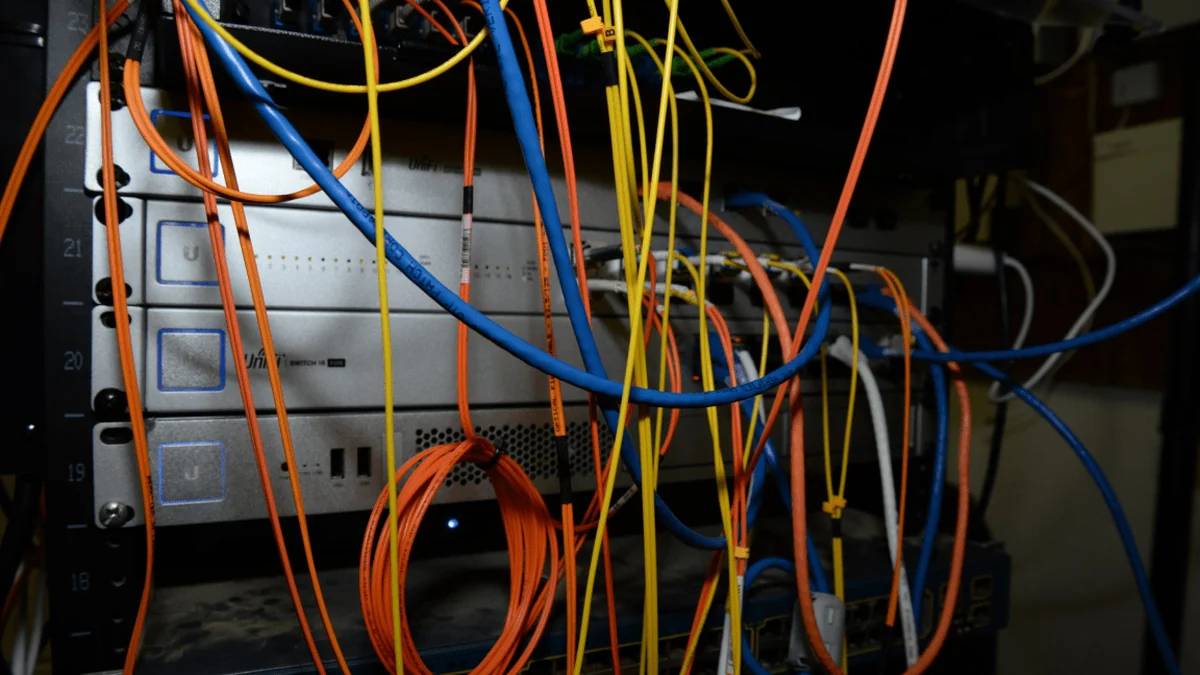
Un fallo de doce años
El error está en nfsd, el demonio del servidor de archivos en red que va dentro del kernel de Linux, y viene de la versión 3.16, publicada en 2014. Red Hat lo describe así: un cliente remoto puede provocar una escritura fuera de los límites de la memoria «negociando un tamaño mínimo de respuesta en caché y enviando peticiones compuestas manipuladas que contienen operaciones SEQUENCE». El servidor no comprueba que la respuesta quepa en el búfer antes de guardarla, y escribe más allá del final.
El resultado es corrupción del heap del kernel: un bloqueo total del equipo, o ejecución de código con privilegios de kernel. Red Hat asignó gravedad crítica porque el atacante llega por red y sin autenticarse.
Las tres condiciones
No todo servidor Linux está expuesto. Hace falta que el equipo exporte recursos por NFS versión 4.1 o 4.2 y que el puerto TCP 2049 sea alcanzable desde donde está el atacante. Un sistema que no corre el servidor de archivos no tiene el problema, y Red Hat recuerda que sus configuraciones por defecto no activan nfsd.
Las versiones corregidas del kernel son 6.12.117, 6.18.61, 7.3.2 y la primera candidata de la 7.4. La exposición exacta depende de la distribución, de cómo se compiló el kernel y de si el servicio está en marcha.
Quién lo encontró y qué se sabe
El fallo lo localizó Jérémy Jean, de la agencia francesa de seguridad de sistemas de información (ANSSI). Los investigadores de OpenSec prepararon un exploit de root remoto y un parche, y los entregaron a los mantenedores de NFS antes de que el caso se hiciera público. Hasta ahora no hay reportes de explotación en ataques reales, algo habitual en fallos de kernel recién parcheados: el exploit existe, pero quien lo tiene no lo está usando a la vista.
«La gravedad crítica se asigna porque un atacante remoto o adyacente a la red, sin autenticación, puede provocar corrupción del heap del kernel y, potencialmente, ejecución remota de código o un pánico que deje el sistema completamente fuera de servicio», explica el aviso de Red Hat.
Qué hacer este fin de semana
El orden importa. Primero, inventariar: qué máquinas exportan NFS y si el 2049 está abierto a internet. Segundo, parchear el kernel con los paquetes de la distribución y reiniciar, porque el cambio no aplica hasta que arranca el kernel nuevo. Tercero, si el servicio no hace falta, apagarlo y deshabilitarlo; si hace falta, limitar el 2049 a las redes de confianza con el cortafuegos.
Los NAS y equipos de almacenamiento que empaquetan kernel de Linux deben revisar su versión con el fabricante: el fallo está en el servidor, y un aparato que comparte carpetas por NFS 4.1 o 4.2 es el escenario del aviso.
Fuentes: aviso de Red Hat (CVE-2026-99362), iSec News, BleepingComputer.
A twelve-year-old bug
The error sits in nfsd, the network file server daemon built into the Linux kernel, and it goes back to version 3.16, released in 2014. Red Hat describes it this way: a remote client can trigger an out-of-bounds memory write by «negotiating a minimal cached reply size and sending crafted compound requests containing SEQUENCE operations». The server fails to check that the reply fits inside the buffer before caching it, and writes past the end.
The result is kernel heap corruption: a full machine crash in the worst case, or code execution with kernel privileges. The agency assigned critical severity because the attacker can arrive over the network without authenticating.
The three conditions
Not every Linux server is exposed. The machine must export shares over NFS version 4.1 or 4.2 and TCP port 2049 must be reachable from where the attacker sits. A system that does not run the file server does not have the problem, and Red Hat notes that its default configurations do not enable nfsd.
The fixed kernel versions are 6.12.117, 6.18.61, 7.3.2 and the first release candidate of 7.4. The exact exposure depends on the distribution, on how the kernel was built and on whether the service is running.
Who found it and what is known
The flaw was found by Jérémy Jean, of France's national information systems security agency (ANSSI). OpenSec researchers built a remote root exploit and a patch and handed them to the NFS maintainers before the case became public. So far there are no reports of exploitation in real attacks, which is usual for freshly patched kernel bugs: the exploit exists, but whoever holds it is not using it in the open.
«Critical severity is assigned because an unauthenticated network-adjacent or remote attacker can trigger kernel heap corruption, potentially achieving remote code execution or causing a kernel panic that leads to complete denial of service», the Red Hat advisory explains.
What to do this weekend
Order matters. First, take inventory: which machines export NFS and whether port 2049 is open to the internet. Second, patch the kernel with the distribution's packages and reboot, because the change does not apply until the new kernel starts. Third, if the service is not needed, stop and disable it; if it is, restrict port 2049 to trusted networks with the firewall.
Storage appliances and NAS boxes that package a Linux kernel should check their version with the vendor: the flaw is in the server, not the client, and a device sharing folders over NFS 4.1 or 4.2 is exactly the scenario the advisory describes.
Fuentes: Red Hat advisory (CVE-2026-99362), iSec News, BleepingComputer.
Sigue leyendo
Keep reading

College Board confirma la brecha: entraron a las cuentas nuevas y a las solicitudes de ayuda financiera
La organización del SAT y los exámenes AP dice que los atacantes usaron herramientas de IA para encontrar un fallo en la página de registro. Desactivó el registro de cuentas y el CSS Profile en plena temporada de solicitudes de ingreso.
College Board confirms the breach: attackers got into new accounts and financial aid applications
The organisation behind the SAT and AP exams says attackers used AI tools to find a flaw on the sign-up page. It switched off new account registration and the CSS Profile in the middle of college application season.
Los instaladores oficiales de Q-Dir y DesktopOK traían un RAT de Python: abrían el programa de verdad y espiaban por detrás
AhnLab confirmó que algunos instaladores servidos por la web oficial de SoftwareOK, incluidos los de la ruta de actualización, estaban manipulados. Ejecutan la utilidad legítima, firmada y con el hash publicado, mientras descargan un troyano que lleva su propio intérprete de Python.
Official Q-Dir and DesktopOK installers carried a Python RAT: they opened the real program and spied behind it
AhnLab confirmed that some installers served by SoftwareOK's official site, including those on the update path, had been tampered with. They run the legitimate, signed utility matching the published hash while downloading a trojan that ships its own Python runtime.

Un troyano escondido al final de dos modelos de IA: 2.428 descargas en Hugging Face y una plantilla que pide ejecutar PowerShell
Un escaneo de los 3,27 millones de repositorios públicos de Hugging Face encontró cinco modelos GGUF maliciosos, dos de ellos con un programa de Windows pegado después del último tensor. Días después, la plantilla de chat se cambió para que el propio modelo dictara el comando que lo despierta.
A trojan hidden at the end of two AI models: 2,428 downloads on Hugging Face and a template that asks you to run PowerShell
A scan of all 3.27 million public Hugging Face repositories found five malicious GGUF models, two of them carrying a Windows program appended after the last tensor. Days later the chat template was rewritten so the model itself prints the command that wakes it up.