
El NCSC británico ve un «aumento marcado» de ataques con frameworks agénticos desde septiembre
La agencia británica nombra seis herramientas —Artex, Cairn, PentAGI, RedAmon, Xalgorix y Darkmoon— que reducen el coste y multiplican la velocidad de los atacantes. Su diagnóstico: ninguna debilidad explotada es nueva, pero ahora se encuentra en minutos.
The British agency names six tools —Artex, Cairn, PentAGI, RedAmon, Xalgorix and Darkmoon— that cut attackers' costs and multiply their speed. Its diagnosis: none of the weaknesses exploited is new, but they are now found in minutes.

El Centro Nacional de Ciberseguridad del Reino Unido (NCSC) dijo el martes que desde septiembre observa un «aumento marcado» de ciberataques asistidos por inteligencia artificial. No porque la IA haya inventado formas nuevas de atacar, sino porque está reduciendo el margen de error de las organizaciones que no hacen lo básico.
En un análisis firmado por su director de tecnología de arquitectura, David Chismon, junto a un gestor de incidentes y una científica de datos, la agencia describe el patrón: frameworks «ofensivos agénticos», software diseñado originalmente para red teaming —pruebas de penetración autorizadas— que se está usando fuera de su propósito defensivo.
Los nombres
El NCSC identifica seis: Artex, Cairn, PentAGI, RedAmon, Xalgorix y Darkmoon. Dice que Artex es el que concentra la atención ahora mismo, y recuerda que estuvo detrás del incidente que comprometió a la Comisión Europea el mes pasado y del que el FBI ya avisó por su uso tanto entre delincuentes como entre grupos patrocinados por Estados.
El diagnóstico es sobrio y por eso más útil: ninguna de las debilidades explotadas es nueva. Los agentes «no aportan capacidad nueva» que un atacante típico no tuviera. Lo que aportan es velocidad, escala, persistencia y bajo coste, gracias a la combinación de frameworks disponibles, modelos abiertos capaces y baratos, y revendedores ilegales de API.
Comparados con un atacante humano sin esas herramientas, los frameworks trabajan más rápido, buscan de forma exhaustiva, aprenden de sus fallos al instante y son baratos de ejecutar en masa.
La ventaja del defensor
Hay una buena noticia: la actividad es ruidosa. Los frameworks son fáciles de detectar. La advertencia es que eso «puede no ser siempre así si los frameworks futuros priorizan el sigilo».
El mensaje central del NCSC es incómodo para el sector: «La IA no deja obsoletos los controles de ciberseguridad establecidos. De hecho, construir buenos cimientos importa más que nunca». Una clave olvidada o una API sin proteger que habría pasado años desapercibida ahora se encuentra en minutos.
«Casi todo lo que hemos visto se puede prevenir aplicando buenas prácticas», escribió el NCSC. El agente no abre agujeros: los encuentra antes que tú.
La publicación acompaña la revisión anual de la agencia, en la que su consejero delegado, Richard Horne, advirtió de que la amenaza crece «no porque la IA haya inventado nuevas formas de atacarnos», sino porque debilidades toleradas ahora se descubren y explotan a escala. Es la misma conclusión de fondo que dejó el apagón de Microsoft 365 esta semana, por la vía contraria: los cimientos que se dan por hechos son los que deciden el día malo.
Fuentes: NCSC · Defending against agentic cyber attacks · The Record · UK cyber agency seeing 'marked rise' in AI-driven attacks
Britain's National Cyber Security Centre (NCSC) said on Tuesday that since September it has observed a 'marked rise' in cyberattacks assisted by artificial intelligence. Not because AI has invented new ways to attack, but because it is shrinking the margin for error at organisations that skip the basics.
In an analysis co-authored by its chief technology officer for architecture, David Chismon, an incident handler and a lead data scientist, the agency describes the pattern: 'agentic offensive frameworks', software originally designed for red teaming, being applied beyond its defensive purpose.
The names
The NCSC lists six: Artex, Cairn, PentAGI, RedAmon, Xalgorix and Darkmoon. It says Artex is the one drawing most attention right now, and notes it was reportedly behind the incident that compromised the European Commission last month and that the FBI had already warned about its use by both criminals and state-sponsored groups.
The diagnosis is sober and therefore more useful: none of the weaknesses being exploited is new. The agents 'provide no new capability' a typical threat actor would not otherwise have. What they provide is speed, scale, persistence and low cost, thanks to the combination of available frameworks, cheap capable open models and illegal API resellers.
Compared with a human attacker without those tools, the frameworks work faster, search exhaustively, learn from failures instantly and are cheap to run at scale.
The defender's advantage
There is good news: the activity is noisy. The frameworks are easy to detect. The warning is that this 'may not always be the case if future frameworks prioritise stealth'.
The NCSC's core message is uncomfortable for the industry: 'AI does not make established cyber security controls obsolete. In fact building strong foundations has never mattered more.' A forgotten key or an unprotected API that might once have gone unnoticed for years is now found in minutes.
'Nearly everything the NCSC has seen can be prevented by implementing cyber security best practice,' the agency wrote. The agent does not open holes: it finds them before you do.
The post accompanies the agency's annual review, in which chief executive Richard Horne warned the threat is growing 'not because AI has invented new ways to attack us', but because tolerated weaknesses are now discovered and exploited at scale. It is the same underlying conclusion as this week's Microsoft 365 outage, from the other side: the foundations everyone takes for granted decide the bad day.
Fuentes: NCSC · The Record
Sigue leyendo
Keep reading

College Board confirma la brecha: entraron a las cuentas nuevas y a las solicitudes de ayuda financiera
La organización del SAT y los exámenes AP dice que los atacantes usaron herramientas de IA para encontrar un fallo en la página de registro. Desactivó el registro de cuentas y el CSS Profile en plena temporada de solicitudes de ingreso.
College Board confirms the breach: attackers got into new accounts and financial aid applications
The organisation behind the SAT and AP exams says attackers used AI tools to find a flaw on the sign-up page. It switched off new account registration and the CSS Profile in the middle of college application season.
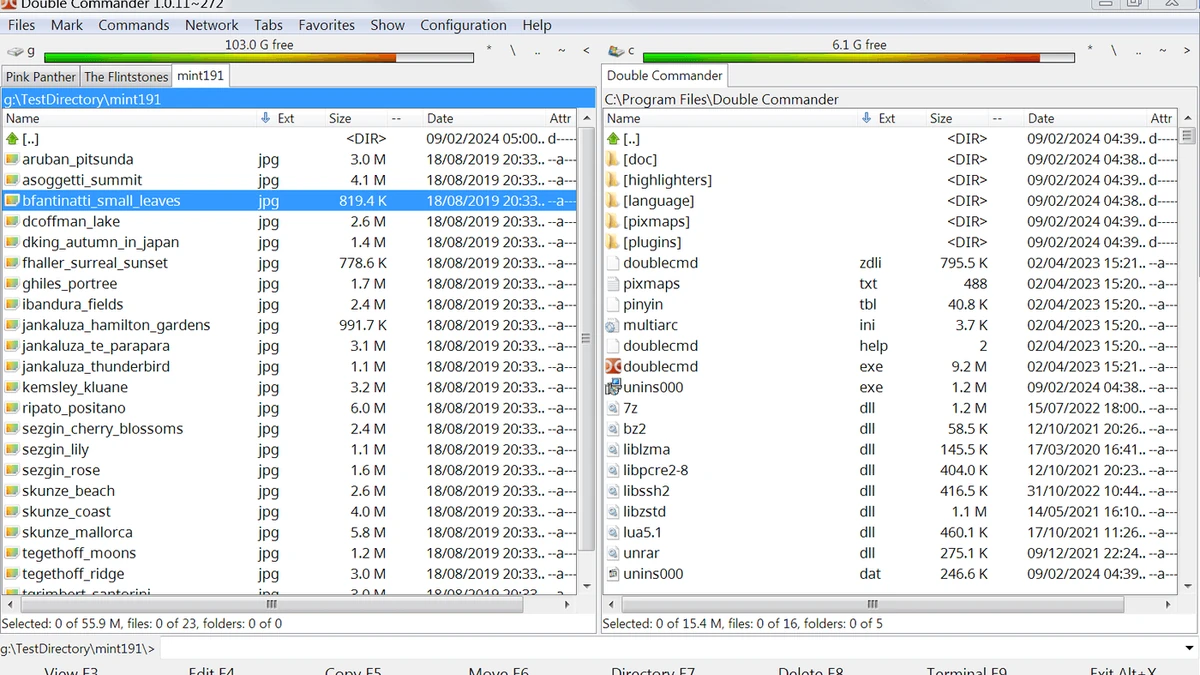
Los instaladores oficiales de Q-Dir y DesktopOK traían un RAT de Python: abrían el programa de verdad y espiaban por detrás
AhnLab confirmó que algunos instaladores servidos por la web oficial de SoftwareOK, incluidos los de la ruta de actualización, estaban manipulados. Ejecutan la utilidad legítima, firmada y con el hash publicado, mientras descargan un troyano que lleva su propio intérprete de Python.
Official Q-Dir and DesktopOK installers carried a Python RAT: they opened the real program and spied behind it
AhnLab confirmed that some installers served by SoftwareOK's official site, including those on the update path, had been tampered with. They run the legitimate, signed utility matching the published hash while downloading a trojan that ships its own Python runtime.
Un troyano escondido al final de dos modelos de IA: 2.428 descargas en Hugging Face y una plantilla que pide ejecutar PowerShell
Un escaneo de los 3,27 millones de repositorios públicos de Hugging Face encontró cinco modelos GGUF maliciosos, dos de ellos con un programa de Windows pegado después del último tensor. Días después, la plantilla de chat se cambió para que el propio modelo dictara el comando que lo despierta.
A trojan hidden at the end of two AI models: 2,428 downloads on Hugging Face and a template that asks you to run PowerShell
A scan of all 3.27 million public Hugging Face repositories found five malicious GGUF models, two of them carrying a Windows program appended after the last tensor. Days later the chat template was rewritten so the model itself prints the command that wakes it up.