
Una app con el logo del Viminale y noticias falsas sobre el asilo instalaba el espía Morpheus en Italia
Una investigación de IrpiMedia atribuye al proveedor italiano IPS el software que prometía informar sobre el permiso de protección y acababa leyendo micrófono, pantalla, ubicación y WhatsApp.
An IrpiMedia investigation attributes to Italian vendor IPS the software that promised updates on protection status and ended up reading microphone, screen, location and WhatsApp.

La promesa
La aplicación se llamaba FirmaDigitale y se anunciaba como una vía para consultar el estado de la protección internacional. Se descargaba desde firmadigitale.assistenza-mobile[.]it, una página que imitaba el sitio de Poste Italiane, mostraba el escudo del Ministerio del Interior y hablaba de un «decreto de protección». Quien la instalaba no recibía noticias: recibía un programa que podía añadir componentes para encender el micrófono, interceptar llamadas por internet, grabar la pantalla y seguir la ubicación del teléfono. También alcanzaba contactos, registros de llamadas, archivos y mensajes, y podía secuestrar WhatsApp con una falsa petición de huella.
La investigación la publicó el viernes IrpiMedia, firmada por Rosita Rijtano, a partir del análisis de Lookout. El dominio lleva sin responder desde 2025, pero la aplicación puede seguir circulando por otras vías. La Policía niega cualquier vínculo con ella y Poste Italiane no quiso comentar.
Morpheus, el espía de bajo coste
El software tiene nombre desde abril de 2026: Morpheus, bautizado por la organización Osservatorio Nessuno cuando lo encontró dentro de una app falsa de Fastweb. Desde entonces han aparecido imitaciones con las marcas de TIM, Iliad, PosteMobile y WindTre. El rastro es anterior: Lookout lo detectó en 2024 y lo atribuyó a IPS, una empresa de Latina que vende herramientas a fiscales, policías y servicios de inteligencia. Nadie ha explicado quién encargó esta campaña ni a cuántas personas alcanzó.
«Estamos ante un ejemplo más de spyware de bajo coste que explota la vulnerabilidad y el sufrimiento para golpear uno de los derechos más íntimos de cada persona», dijo un portavoz de Osservatorio Nessuno.
El negocio detrás
La historia individual encaja en un mercado. Nueve empresas italianas declararon 214,4 millones de euros de ingresos en 2024 por herramientas de vigilancia, y de los cinco países que desglosan su facturación, Italia aportó el 72,8 %. Los objetivos de spyware pasaron de 2.894 en 2021 a 5.611 en 2025, un 94 % más: 2.930 por casos de mafia, 2.618 por delitos comunes y 63 por terrorismo. Alemania autorizó 91 operaciones en 2024 y ejecutó 57.
La ley italiana permite el espionaje mucho más allá de la mafia y el terrorismo, y el gasto en interceptaciones rondó los 299 millones en 2025. Los controles son el punto débil: no hay verificación de calidad previa y las autoridades carecen de personal técnico para auditar el software. En el caso eSurv, las interceptaciones quedaron en servidores de la propia empresa, y el juicio sigue abierto.
«Quien es espiado puede no enterarse nunca. No hay obligación de notificarlo cuando se cierra una investigación», advirtió el abogado Giovanni Battista Gallus.
Los datos recogidos tampoco se borran solos: pueden quedar archivados en la fiscalía. La coalición civil Cild quiere saber por qué se habría apuntado a solicitantes de asilo, quién lo autorizó y qué produjo. Italia afronta ese debate sin ley completa sobre qué puede hacer un espía y sin registro de proveedores.
Fuentes: IrpiMedia, Security Affairs.
The promise
The app was called FirmaDigitale and marketed itself as a way to check the status of international protection. It was downloaded from firmadigitale.assistenza-mobile[.]it, a page imitating the Poste Italiane website, displaying the Interior Ministry crest and mentioning a «protection decree». Whoever installed it did not get news: they got a program able to add components that switch on the microphone, intercept internet calls, record the screen and track the phone's location. It also reached contacts, call logs, files and messages, and could hijack WhatsApp with a fake fingerprint prompt.
The investigation was published on Friday by IrpiMedia, written by Rosita Rijtano, drawing on Lookout's analysis. The domain has not answered since 2025, but the app may still circulate elsewhere. The police deny any link to it and Poste Italiane declined to comment.
Morpheus, the low-cost spy
The software has had a name since April 2026: Morpheus, christened by the group Osservatorio Nessuno when it found it inside a fake Fastweb app. Imitations carrying TIM, Iliad, PosteMobile and WindTre brands have appeared since. The trail is older: Lookout detected it in 2024 and attributed it to IPS, a company from Latina that sells tools to prosecutors, police and intelligence services. Nobody has explained who ordered this campaign or how many people it reached.
«We are faced with yet another example of low-cost spyware that exploits vulnerability and suffering to strike at one of every individual's most intimate rights», a spokesperson for Osservatorio Nessuno said.
The business behind it
The individual story fits a market. Nine Italian firms reported €214.4 million in revenue in 2024 from surveillance tools, and of the five countries that break down their billing, Italy accounted for 72.8%. Spyware targets rose from 2,894 in 2021 to 5,611 in 2025, up 94%: 2,930 in mafia cases, 2,618 in ordinary crimes and 63 in terrorism. Germany authorised 91 operations in 2024 and carried out 57.
Italian law allows spying well beyond mafia and terrorism, and interception spending reached about €299 million in 2025. Oversight is the weak point: there is no prior quality check and authorities lack the technical staff to audit the software. In the eSurv case, intercepts stayed on the firm's own servers, and the trial continues.
«Those who are spied upon may never even find out. There is no obligation to notify an individual that they have been subjected to surveillance once an investigation is closed», lawyer Giovanni Battista Gallus warned.
The data collected is not deleted either: it can stay archived at the prosecutor's office. The civil liberties coalition Cild wants to know why asylum seekers would have been targeted, who authorised it and what it produced. Italy faces that debate without a complete law on what spyware may do and without a register of vendors.
Sources: IrpiMedia, Security Affairs.
Sigue leyendo
Keep reading
Un punto y coma en la URL basta para saltarse el login de Traefik: fallo crítico de 9,3
sanitizePath, activado por defecto, deja sin resolver segmentos como /..;x/. Si un mismo backend sirve una ruta pública y otra protegida, una sola petición pasa por delante del middleware de autenticación. Corregido desde el 10 de noviembre.
A semicolon in the URL is enough to skip Traefik's login: a critical 9.3 flaw
sanitizePath, enabled by default, leaves segments such as /..;x/ unresolved. When one backend serves both a public and a protected route, a single request walks past the authentication middleware. Fixed since 10 November.
College Board confirma la brecha: entraron a las cuentas nuevas y a las solicitudes de ayuda financiera
La organización del SAT y los exámenes AP dice que los atacantes usaron herramientas de IA para encontrar un fallo en la página de registro. Desactivó el registro de cuentas y el CSS Profile en plena temporada de solicitudes de ingreso.
College Board confirms the breach: attackers got into new accounts and financial aid applications
The organisation behind the SAT and AP exams says attackers used AI tools to find a flaw on the sign-up page. It switched off new account registration and the CSS Profile in the middle of college application season.
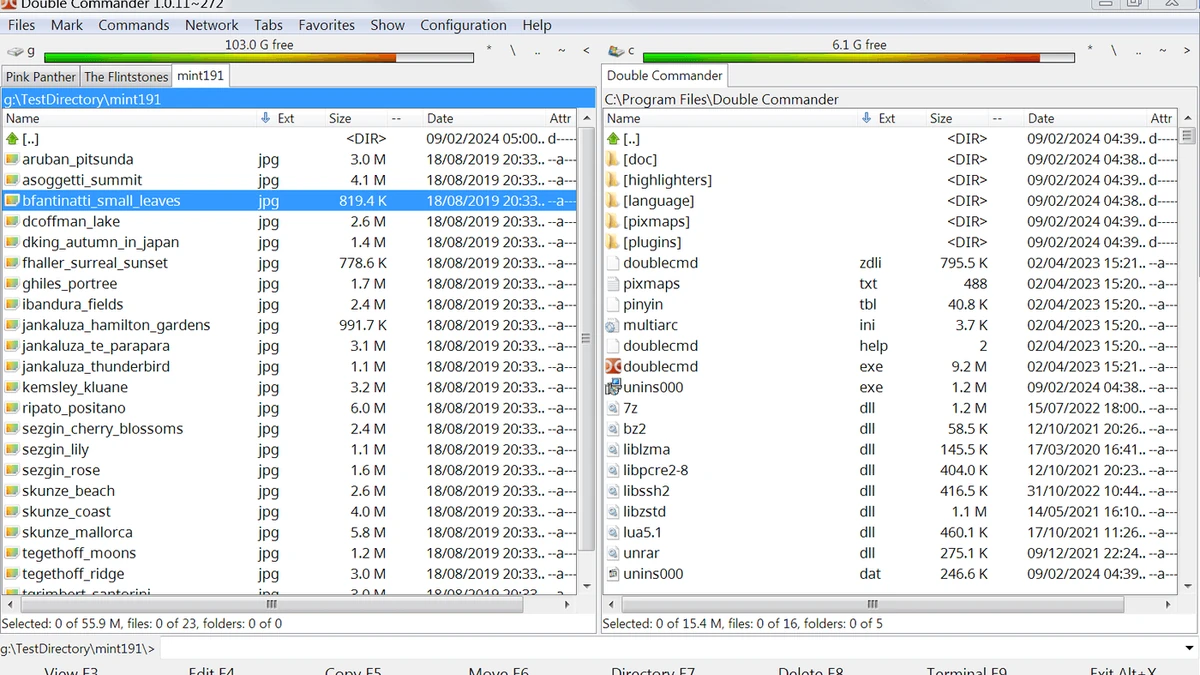
Los instaladores oficiales de Q-Dir y DesktopOK traían un RAT de Python: abrían el programa de verdad y espiaban por detrás
AhnLab confirmó que algunos instaladores servidos por la web oficial de SoftwareOK, incluidos los de la ruta de actualización, estaban manipulados. Ejecutan la utilidad legítima, firmada y con el hash publicado, mientras descargan un troyano que lleva su propio intérprete de Python.
Official Q-Dir and DesktopOK installers carried a Python RAT: they opened the real program and spied behind it
AhnLab confirmed that some installers served by SoftwareOK's official site, including those on the update path, had been tampered with. They run the legitimate, signed utility matching the published hash while downloading a trojan that ships its own Python runtime.