
Irán ataca bases de EE.UU. en Kuwait y Baréin y el Golfo se acerca al cierre de Ormuz
Teherán dijo haber golpeado instalaciones de drones y misiles en la base de Ali Al Salem, la primera acción contra Kuwait desde septiembre. Riad interceptó un misil de crucero hutí rumbo a su capital y, según Reuters, se prepara para una guerra en Yemen que podría durar hasta 2027.
Tehran said it struck drone and missile facilities at the Ali Al Salem base, its first action against Kuwait since September. Riyadh intercepted a Houthi cruise missile aimed at its capital and, according to Reuters, is preparing for a war in Yemen that could last into 2027.
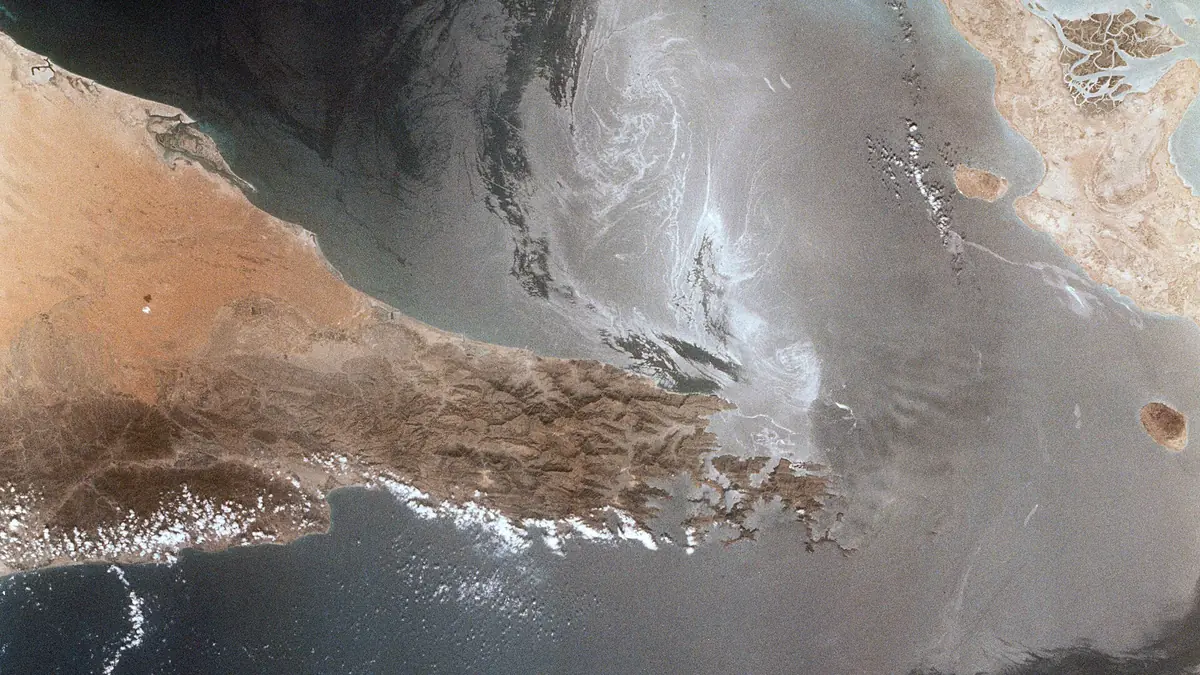
El Golfo Pérsico amaneció este jueves con la misma ecuación de la noche anterior: cada ataque produce una represalia y ninguna cancela la siguiente. En la madrugada del miércoles, Irán dijo haber golpeado instalaciones de drones y misiles estadounidenses en la base de Ali Al Salem, en Kuwait, en respuesta al bombardeo de cazas de EE.UU. contra un punto de lanzamiento de la Guardia Revolucionaria en la isla de Qeshm, en el estrecho de Ormuz. Fue el primer ataque iraní contra el emirato petrolero desde septiembre, según Reuters.
Kuwait activó sus defensas antiaéreas para contrarrestar drones hostiles. Baréin, al otro lado del golfo, informó de que interceptó ataques aéreos iraníes por tercera vez esta semana. Y en Yemen, la coalición liderada por Arabia Saudita dijo haber destruido un misil de crucero lanzado por los hutíes hacia Riad.
La guerra de los nueve meses
El intercambio de fuego ocurre en el marco de una guerra que ya cumple nueve meses y que se ha extendido a tres frentes: el Golfo, el mar Rojo y el Líbano, donde volvieron a estallar combates entre Israel y Hezbolá.
El estrecho de Ormuz, por donde circula cerca de un quinto del petróleo y el gas del mundo, es el epicentro económico. Teherán declaró el paso cerrado y Washington respondió con un bloqueo naval a Irán. El resultado se ve en los precios: el crudo y el gas se han disparado y el transporte marítimo está gravemente interrumpido.
Yemen, el frente que se alarga
El otro escenario es Yemen. El 17 de noviembre la coalición bombardeó zonas controladas por los hutíes y su portavoz, el general Turki al-Malki, aseguró que destruyó «60 objetivos militares legítimos». Los rebeldes dijeron que murieron 17 personas y respondieron con cinco drones contra estaciones de bombeo del oleoducto Este-Oeste, la vía por la que Riad desvía unos cuatro millones de barriles diarios para esquivar Ormuz.
Los hutíes están a unos 25 kilómetros de las líneas gubernamentales en la costa de Qawah, y Riad ha tenido que sustituir al comandante de su coalición. Según dos funcionarios occidentales citados por Reuters, Arabia Saudita se prepara para una guerra que podría prolongarse hasta bien entrado 2027, y cifra en un apoyo militar estadounidense más decidido la única vía para acortarla.
Sin límites geográficos
El comandante en jefe del ejército iraní anunció que ampliará sus ofensivas «sin limitaciones geográficas», lo que aleja cualquier horizonte de desescalada. La Liga Árabe advirtió del riesgo de que el conflicto se ensanche.
«Los ataques reiterados contra países árabes revelan un patrón de escalada continua que amenaza con ampliar el círculo de confrontación», dijo el secretario general de la Liga Árabe, Nabil Fahmy.
Para el Caribe y América Latina el efecto llega por la vía del precio del crudo y del flete marítimo, dos costos que se trasladan casi de inmediato a la factura energética y a los alimentos importados.
Fuentes: Reuters · Al Jazeera · France 24
The Persian Gulf woke up on Thursday to the same equation as the night before: every attack produces a reprisal and none cancels the next. Overnight into Wednesday, Iran said it had struck US drone and missile facilities at the Ali Al Salem base in Kuwait, in response to US fighter jets bombing a Revolutionary Guard launch site on Qeshm Island, in the Strait of Hormuz. It was Iran's first attack on the oil-rich emirate since September, according to Reuters.
Kuwait activated its air defences against hostile drones. Bahrain, across the gulf, said it intercepted Iranian aerial attacks for the third time this week. And in Yemen, the Saudi-led coalition said it destroyed a cruise missile fired by the Houthis towards Riyadh.
The nine-month war
The exchange comes within a war now nine months old that has spread across three fronts: the Gulf, the Red Sea and Lebanon, where fighting between Israel and Hezbollah has flared again.
The Strait of Hormuz, through which about a fifth of the world's oil and gas passes, is the economic epicentre. Tehran declared the passage closed and Washington responded with a naval blockade of Iran. The result shows up in prices: crude and gas have soared and shipping is severely disrupted.
Yemen, the front that drags on
The other theatre is Yemen. On 17 November the coalition bombed Houthi-held areas and its spokesman, Major General Turki al-Malki, said it destroyed "60 legitimate military targets". The rebels said 17 people were killed and responded with five drones against pumping stations on the East-West pipeline, the route Riyadh uses to divert some four million barrels a day around Hormuz.
The Houthis are about 25 kilometres from government-held lines on the Qawah coast, and Riyadh has had to replace the commander of its coalition. According to two Western officials cited by Reuters, Saudi Arabia is preparing for a war that could run well into 2027, and sees stronger US military support as the only way to shorten it.
No geographic limits
Iran's army commander-in-chief announced he will widen offensives "without geographic limitations", pushing any prospect of de-escalation further away. The Arab League warned the conflict risks widening.
"Repeated attacks on Arab countries reveal a continuous pattern of escalation that threatens to widen the circle of confrontation," said Arab League secretary-general Nabil Fahmy.
For the Caribbean and Latin America the effect arrives through crude prices and shipping rates, two costs that pass almost immediately into energy bills and imported food.
Sources: Reuters · Al Jazeera · France 24
Sigue leyendo
Keep reading

Los cruces por el Darién caen un 90 % y la migración regional gira hacia el sur
La OIM identifica por primera vez una ruta sudamericana consolidada que va del Caribe a Brasil y el Cono Sur. Unos 3.000 cubanos entraron cada mes en Brasil entre enero y abril, y los cruces hacia el norte por Honduras bajaron un 75 %.
Darién crossings fall 90% as regional migration turns south
For the first time, IOM identifies a consolidated South American route running from the Caribbean to Brazil and the Southern Cone. Some 3,000 Cubans entered Brazil each month between January and April, and northbound crossings through Honduras fell 75%.
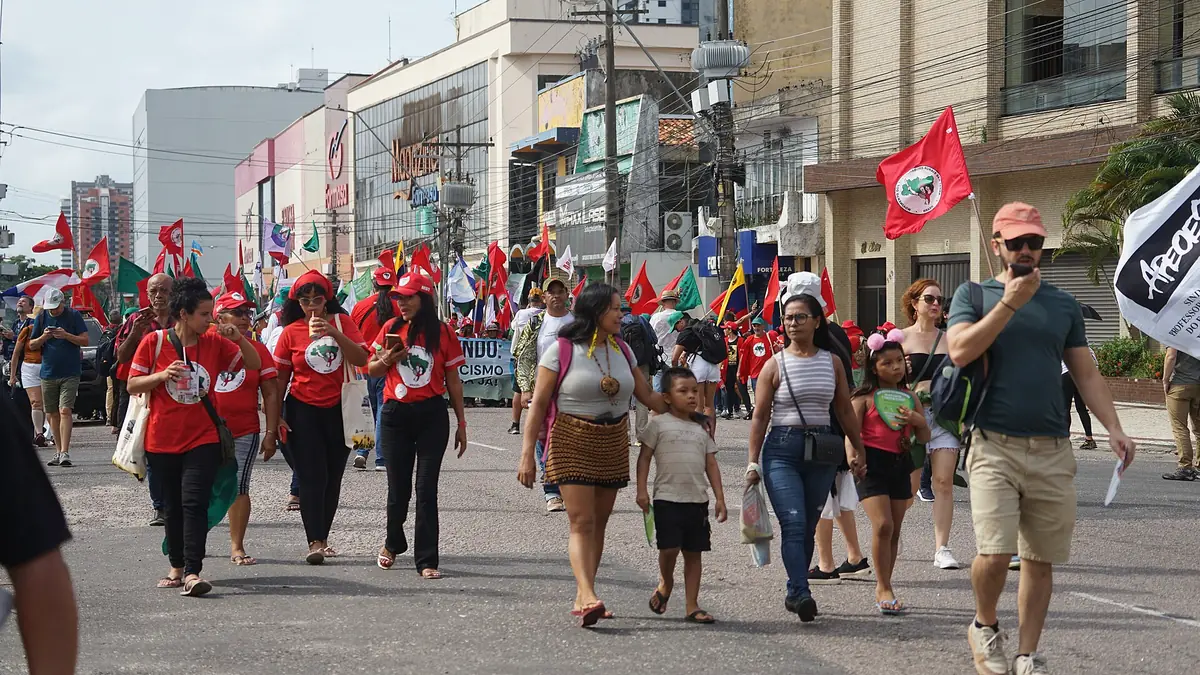
La COP31 llega a su penúltimo día con 21 asuntos abiertos y la prórroga al sábado sobre la mesa
Los ministros intentaron desbloquear la negociación en una sesión informal que se alargó hasta la noche. El nuevo borrador del texto final se espera para hoy y el plazo oficial vence mañana, aunque crece la posibilidad de prolongar la cumbre hasta el sábado 21.
COP31 enters its penultimate day with 21 issues open and an extension to Saturday on the table
Ministers tried to unblock the talks in an informal session that ran late into the night. A new draft of the final text is expected on Thursday and the official deadline is Friday, but the odds of stretching the summit to Saturday 21 keep growing.
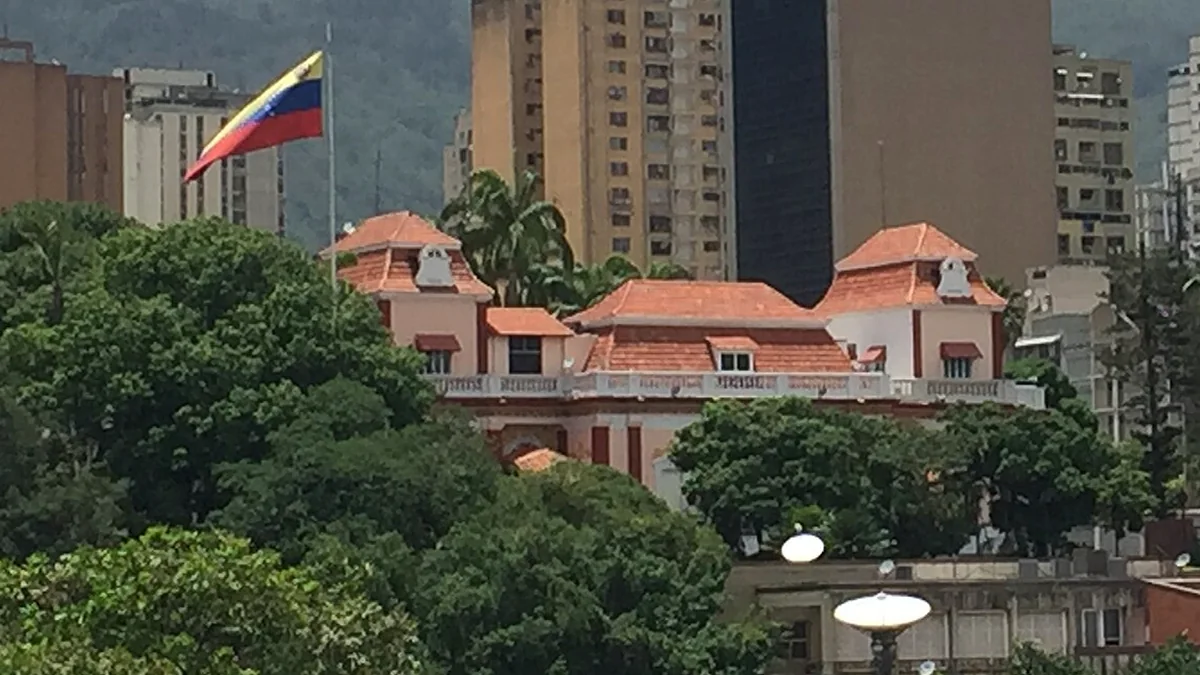
EE.UU. y Venezuela firman un acuerdo militar: Hegseth llega a Miraflores y habla de «socio de seguridad»
El secretario de Defensa estadounidense firmó con su homólogo venezolano un pacto de cooperación militar cuyo alcance no se ha divulgado. Delcy Rodríguez lo calificó de «extraordinariamente relevante» para las relaciones bilaterales.
US and Venezuela sign military accord: Hegseth arrives at Miraflores and calls Caracas a "security partner"
The US defence secretary signed a military cooperation agreement with his Venezuelan counterpart whose scope has not been disclosed. Acting president Delcy Rodríguez called it "extraordinarily relevant" for bilateral ties.