
Inception, el posible regreso de ShinyHunters: siete empresas en el paredón y ninguna confirma
Okta vincula al grupo O-UNC-053 con un nuevo sitio de filtraciones que ya lista a AMD, Cigna, PepsiCo, Paychex, Henry Schein, AutoZone y Lucid. Todas las entradas llevan la etiqueta de «filtrado» y ninguna ha confirmado un incidente.
Okta links cluster O-UNC-053 to a new leak site already listing AMD, Cigna, PepsiCo, Paychex, Henry Schein, AutoZone and Lucid. Every entry carries a 'leaked' label and none has confirmed an incident.
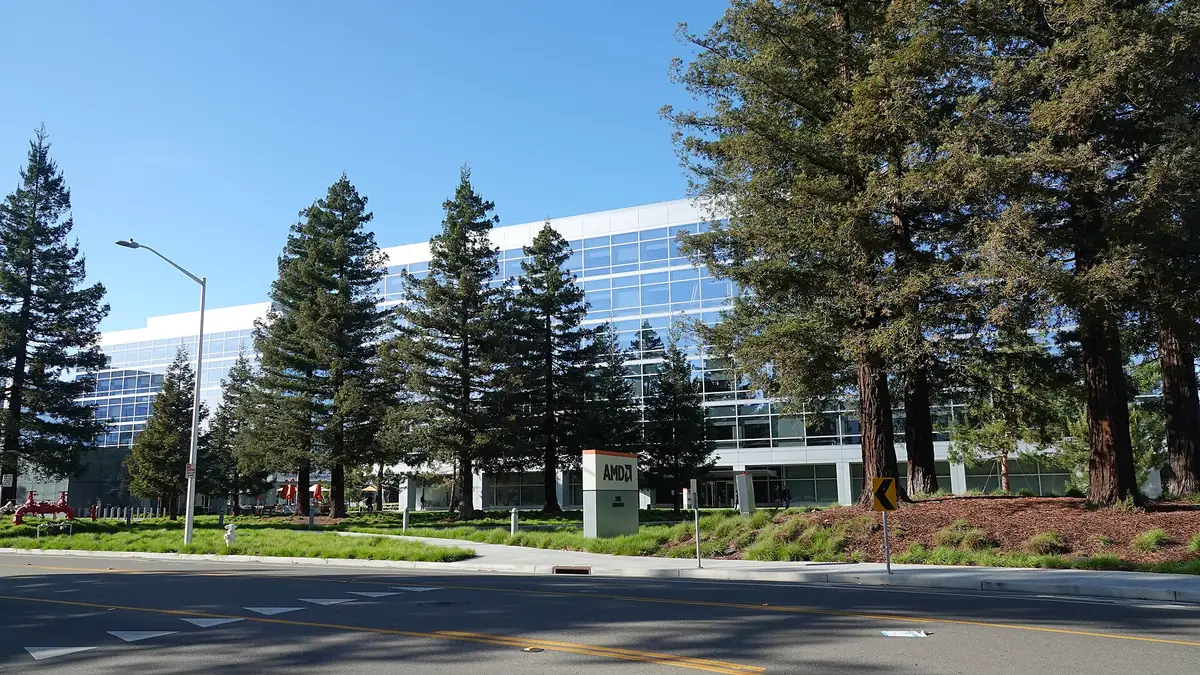
Un grupo que Okta rastrea como O-UNC-053 lleva desde el 17 de noviembre publicando empresas en un sitio de filtraciones llamado Inception. Son siete nombres en una semana, todos con la etiqueta de «filtrado», y ninguno ha confirmado un incidente.
La lista
El 17 de noviembre aparecieron AMD, Cigna, Paychex, PepsiCo y Henry Schein. El 19 se sumó AutoZone y el sábado, Lucid Group, la firma de vehículos eléctricos. Okta advierte de que no puede validar si los datos publicados son auténticos, y ninguna de las siete respondió a las consultas de The Register.
Por qué Okta sospecha que es ShinyHunters
El equipo de inteligencia de amenazas de Okta encontró un patrón: en varios de los objetivos, su infraestructura había sido observada entre seis y diecinueve días antes de la publicación, un margen que coincide con movimientos previos de actores ligados a The Com, la red difusa donde se cruzan ShinyHunters, Scattered Spider y LAPSUS$.
Las tácticas tampoco cambian: vishing —llamadas que empujan a teclear credenciales en una página falsa y a aprobar el segundo factor— y rotación de dominios cada cuatro a seis semanas. Okta no afirma con alta confianza que O-UNC-053 opere el sitio ni que sea la misma tripulación; solo que cambió de marca y mantuvo infraestructura y modus operandi.
El historial
ShinyHunters se hizo famoso por entrar en Clop antes de atacar al FBI. La policía detuvo al menos a tres sospechosos clave en septiembre y octubre, y el grupo y su sitio desaparecieron. De ahí la frase que resume el escepticismo del investigador Dominic Alvieri: «No todos los de ShinyHunters están en la cárcel».
Qué hacer con esto
La recomendación de Okta es la de siempre y la que casi nadie cumple: autenticación multifactor resistente al phishing —llaves físicas y passkeys—, porque el segundo factor por SMS o por notificación es exactamente lo que estas llamadas convencen de aprobar. Para las empresas listadas, la pelota está en su tejado: ni confirmar ni desmentir también es una decisión, y el silencio alimenta la extorsión.
Un listado en un sitio de extorsión es una afirmación, no una auditoría. Pero siete afirmaciones en siete días no se ignoran.
Por qué estas siete
No hay un sector común: semiconductores, seguros de salud, nómina, bebidas, distribución dental, repuestos de automóvil y vehículos eléctricos. Eso encaja con la hipótesis de Okta: no es una campaña contra una industria concreta, sino una operación de oportunidad que vive de que alguien atienda el teléfono y apruebe la notificación.
Fuentes: The Register · Okta Threat Intelligence
A cluster Okta tracks as O-UNC-053 has been listing companies on a data leak site called Inception since 17 November. That is seven names in one week, all labelled "leaked", and none of them has confirmed a breach.
The list
AMD, Cigna, Paychex, PepsiCo and Henry Schein appeared on 17 November. AutoZone followed on the 19th and Lucid Group, the electric-vehicle maker, on Saturday. Okta warns it cannot validate whether the published data is authentic, and none of the seven answered The Register's questions.
Why Okta suspects ShinyHunters
Okta's threat intelligence team found a pattern: for several of the targets, its infrastructure had been observed six to nineteen days before the listing, a gap consistent with earlier moves by actors tied to The Com, the loose network where ShinyHunters, Scattered Spider and LAPSUS$ overlap.
The tactics are unchanged too: voice phishing — calls that push people to type credentials into a fake page and approve the second factor — and domains rotated every four to six weeks. Okta does not claim with high confidence that O-UNC-053 runs the site or is the same crew; only that it changed its brand while keeping infrastructure and tradecraft.
The history
ShinyHunters became known for breaching rival gang Clop before hacking the FBI. Police arrested at least three key suspects in September and October, and the group and its leak site went dark. Hence the line that sums up researcher Dominic Alvieri's scepticism: "ShinyHunters are not all in jail."
What to do about it
Okta's advice is the usual one and the one almost nobody follows: phishing-resistant multi-factor authentication — hardware keys and passkeys — because SMS or push-based second factors are exactly what these calls talk people into approving. For the companies on the list, the ball is in their court: neither confirming nor denying is also a decision, and silence feeds extortion.
A listing on an extortion site is a claim, not an audit. But seven claims in seven days are not ignored.
Why these seven
There is no common sector: semiconductors, health insurance, payroll, drinks, dental distribution, auto parts and electric vehicles. That fits Okta's hypothesis: this is not a campaign against one industry but an operation of opportunity that lives on someone answering the phone and approving the prompt.
Sources: The Register · Okta Threat Intelligence
Sigue leyendo
Keep reading
College Board confirma la brecha: entraron a las cuentas nuevas y a las solicitudes de ayuda financiera
La organización del SAT y los exámenes AP dice que los atacantes usaron herramientas de IA para encontrar un fallo en la página de registro. Desactivó el registro de cuentas y el CSS Profile en plena temporada de solicitudes de ingreso.
College Board confirms the breach: attackers got into new accounts and financial aid applications
The organisation behind the SAT and AP exams says attackers used AI tools to find a flaw on the sign-up page. It switched off new account registration and the CSS Profile in the middle of college application season.
Los instaladores oficiales de Q-Dir y DesktopOK traían un RAT de Python: abrían el programa de verdad y espiaban por detrás
AhnLab confirmó que algunos instaladores servidos por la web oficial de SoftwareOK, incluidos los de la ruta de actualización, estaban manipulados. Ejecutan la utilidad legítima, firmada y con el hash publicado, mientras descargan un troyano que lleva su propio intérprete de Python.
Official Q-Dir and DesktopOK installers carried a Python RAT: they opened the real program and spied behind it
AhnLab confirmed that some installers served by SoftwareOK's official site, including those on the update path, had been tampered with. They run the legitimate, signed utility matching the published hash while downloading a trojan that ships its own Python runtime.
Un troyano escondido al final de dos modelos de IA: 2.428 descargas en Hugging Face y una plantilla que pide ejecutar PowerShell
Un escaneo de los 3,27 millones de repositorios públicos de Hugging Face encontró cinco modelos GGUF maliciosos, dos de ellos con un programa de Windows pegado después del último tensor. Días después, la plantilla de chat se cambió para que el propio modelo dictara el comando que lo despierta.
A trojan hidden at the end of two AI models: 2,428 downloads on Hugging Face and a template that asks you to run PowerShell
A scan of all 3.27 million public Hugging Face repositories found five malicious GGUF models, two of them carrying a Windows program appended after the last tensor. Days later the chat template was rewritten so the model itself prints the command that wakes it up.