
INC Ransom pone en su lista a Brit, la aseguradora de Lloyd's que vende pólizas contra el ciberriesgo
El grupo publicó el viernes 22 imágenes y una cuenta atrás de 33 días, y afirma tener credenciales S3 de un depósito de la firma. Brit no ha confirmado el ataque; es una de las grandes aseguradoras ciber del mercado londinense.
The gang posted 22 images and a 33-day countdown on Friday and claims to hold S3 credentials for one of the firm's buckets. Brit has not confirmed the attack; it is one of the London market's big cyber insurers.
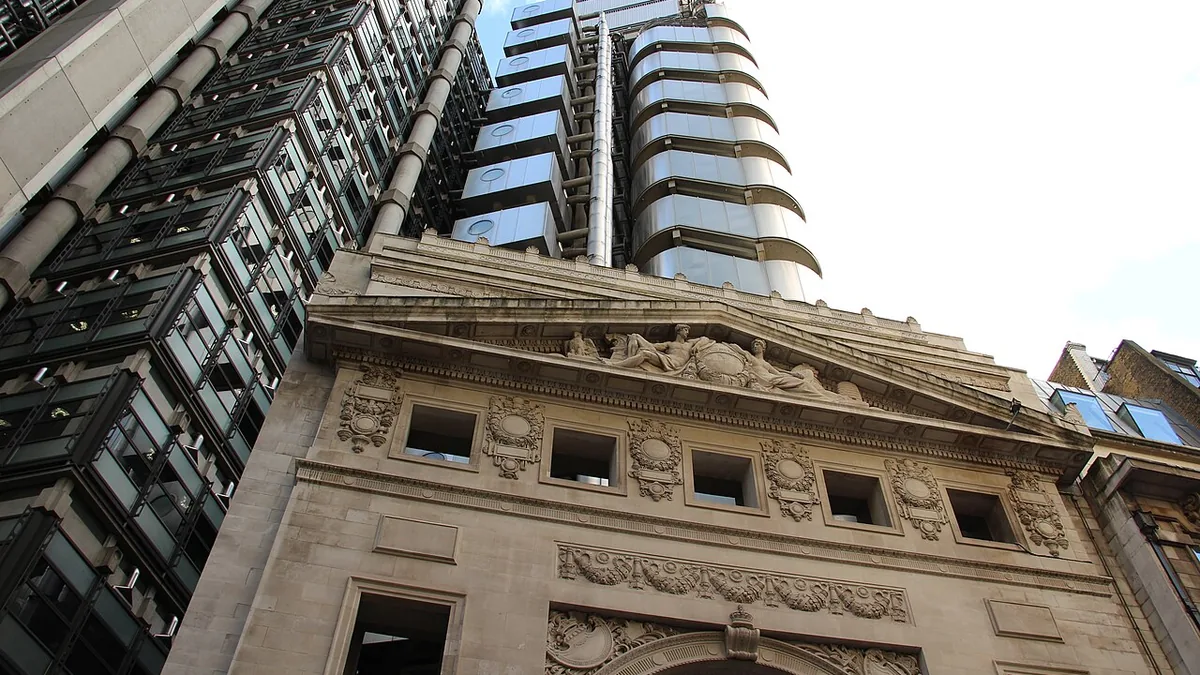
La ficha y la cuenta atrás
INC Ransom añadió a Brit Insurance a su página de filtraciones el viernes 27 de noviembre, alrededor de las 11:10 de la mañana en Nueva York. La entrada nombra a «Brit Ltd / Brit Insurance», incluye 22 imágenes que el grupo presenta como prueba y arranca una cuenta atrás de unos 33 días, que apunta al 30 de diciembre. En una sección aparte, el grupo dice tener credenciales S3 limitadas a un «workspace bucket» de la aseguradora.
Brit no había emitido ninguna declaración pública cuando se publicó la nota, y BreachNews, que siguió el listado, no pudo verificar las imágenes ni descargó nada del sitio. El texto tampoco dice qué datos se llevaron, cuántos, cómo entraron ni si algún sistema quedó cifrado.
«Un gran grupo internacional que opera en el sector de los seguros comerciales y el reaseguro, con sede en Londres, Reino Unido», describe la ficha publicada por el grupo.
Quién es el objetivo
Brit es una aseguradora y reaseguradora de especialidad con sede en Londres, integrada en Fairfax Financial Holdings, el holding canadiense que cotiza en Toronto. Suscribe riesgos de propiedad, responsabilidad civil y energía, entre otros, a través del Sindicato 2987 en Lloyd's, y su material comercial habla de más de 2.600 millones de dólares en primas brutas suscritas.
El detalle incómodo es su otro sombrero: Brit es también una gran aseguradora ciber. En enero de 2026 renovó su consorcio Brit Cyber Attack Plus, con un límite combinado de hasta 200 millones de dólares, y ofrece a sus clientes un servicio de respuesta a brechas de 24 horas con forense digital y negociación de rescates.
El grupo
INC Ransom opera desde 2023 con doble extorsión: roba información y luego amenaza con publicarla. Entre sus víctimas anteriores está el servicio de salud escocés NHS Dumfries and Galloway, en 2024. En noviembre ha estado activo: listó a la japonesa WHI Holdings semanas antes de su debut en bolsa y reclamó ataques contra Persistent Systems, LTTS y Cybage, dos de las cuales dijeron a sus inversores que sus sistemas estaban a salvo.
Lo que sigue es incierto. Si la amenaza es creíble o una ficha más de un catálogo lo dirá el silencio o la respuesta de la compañía. Y si hay datos reales, la pregunta que el mercado se hará es la misma que la aseguradora hace a sus clientes: qué cubre exactamente una póliza cuando el asegurado es el asegurador. Por ahora solo hay una página, un contador y una promesa de acceso a un depósito en la nube.
Fuentes: BreachNews, Brit Group, Fairfax Financial.
The listing and the countdown
INC Ransom added Brit Insurance to its leak site on Friday, 27 November, at about 11:10 am New York time. The entry names «Brit Ltd / Brit Insurance», includes 22 images the gang presents as proof and starts a countdown of about 33 days, pointing to 30 December. In a separate section, the group says it holds S3 credentials scoped to a Brit «workspace bucket».
Brit had issued no public statement when the post went up, and BreachNews, which tracked the listing, could not verify the images and did not download anything from the site. The text does not say which data was taken, how much, how the group got in, or whether any system was encrypted.
«A large international group operating in the commercial insurance and reinsurance sector, with its headquarters in London, United Kingdom», reads the profile the gang published.
Who the target is
Brit is a London-based specialty insurer and reinsurer, part of Fairfax Financial Holdings, the Canadian group listed in Toronto. It writes property, casualty and energy risk, among others, through Syndicate 2987 at Lloyd's, and its own marketing material cites more than $2.6 billion in gross written premium.
The awkward detail is its other hat: Brit is also a major cyber insurer. In January 2026 it renewed its Brit Cyber Attack Plus consortium, with a combined cyber limit of up to $200 million, and it offers clients a 24-hour breach response service that includes digital forensics and ransom negotiation.
The gang
INC Ransom has operated since 2023 with double extortion: steal the data, then threaten to publish it. Its past victims include Scotland's NHS Dumfries and Galloway in 2024. November has been busy: it listed Japanese firm WHI Holdings weeks before its stock market debut and claimed attacks on Persistent Systems, LTTS and Cybage, two of which told investors their systems were secure.
What comes next is unclear. Whether the threat is credible or just another entry in a catalogue will be settled by the company's silence or its answer. And if real data is involved, the question the market will ask is the one the insurer asks its own clients: what exactly does a policy cover when the insured is the insurer? For now there is a page, a counter and a promise of access to a cloud bucket.
Fuentes: BreachNews, Brit Group, Fairfax Financial.
Sigue leyendo
Keep reading
College Board confirma la brecha: entraron a las cuentas nuevas y a las solicitudes de ayuda financiera
La organización del SAT y los exámenes AP dice que los atacantes usaron herramientas de IA para encontrar un fallo en la página de registro. Desactivó el registro de cuentas y el CSS Profile en plena temporada de solicitudes de ingreso.
College Board confirms the breach: attackers got into new accounts and financial aid applications
The organisation behind the SAT and AP exams says attackers used AI tools to find a flaw on the sign-up page. It switched off new account registration and the CSS Profile in the middle of college application season.
Los instaladores oficiales de Q-Dir y DesktopOK traían un RAT de Python: abrían el programa de verdad y espiaban por detrás
AhnLab confirmó que algunos instaladores servidos por la web oficial de SoftwareOK, incluidos los de la ruta de actualización, estaban manipulados. Ejecutan la utilidad legítima, firmada y con el hash publicado, mientras descargan un troyano que lleva su propio intérprete de Python.
Official Q-Dir and DesktopOK installers carried a Python RAT: they opened the real program and spied behind it
AhnLab confirmed that some installers served by SoftwareOK's official site, including those on the update path, had been tampered with. They run the legitimate, signed utility matching the published hash while downloading a trojan that ships its own Python runtime.
Un troyano escondido al final de dos modelos de IA: 2.428 descargas en Hugging Face y una plantilla que pide ejecutar PowerShell
Un escaneo de los 3,27 millones de repositorios públicos de Hugging Face encontró cinco modelos GGUF maliciosos, dos de ellos con un programa de Windows pegado después del último tensor. Días después, la plantilla de chat se cambió para que el propio modelo dictara el comando que lo despierta.
A trojan hidden at the end of two AI models: 2,428 downloads on Hugging Face and a template that asks you to run PowerShell
A scan of all 3.27 million public Hugging Face repositories found five malicious GGUF models, two of them carrying a Windows program appended after the last tensor. Days later the chat template was rewritten so the model itself prints the command that wakes it up.