
FinCEN desconecta parte de sus sistemas tras detectar un acceso no autorizado
La unidad de delitos financieros del Tesoro investiga la intrusión y cerró sistemas de forma temporal. Es la enésima agencia federal estadounidense golpeada este mes.
La unidad de delitos financieros del Tesoro investiga la intrusión y cerró sistemas de forma temporal. Es la enésima agencia federal estadounidense golpeada este mes.
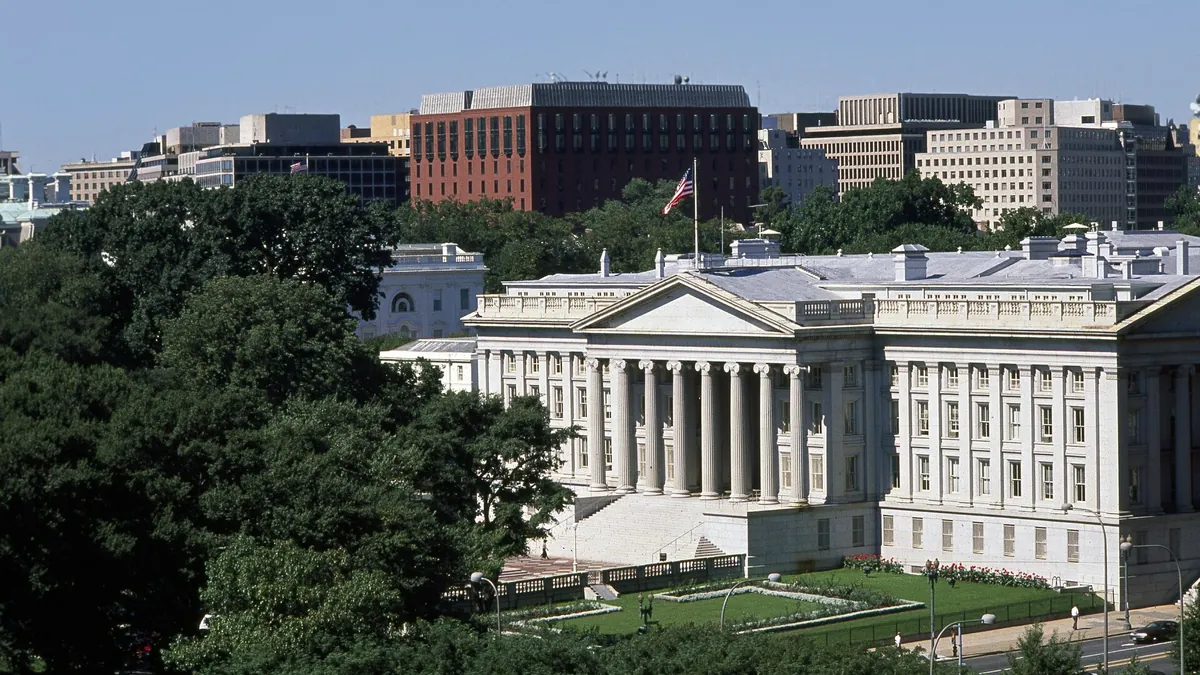
La Red de Control de Delitos Financieros (FinCEN), la unidad del Departamento del Tesoro de Estados Unidos que combate el lavado de dinero y la financiación del terrorismo, informó de un acceso no autorizado a parte de sus sistemas y desconectó temporalmente varios de ellos mientras investiga.
Qué guarda FinCEN
FinCEN no es una agencia cualquiera: recibe los reportes de operaciones sospechosas que bancos, fintech y casas de cambio están obligados a enviar. Es, en la práctica, el mapa de las finanzas ilícitas que se mueven por el sistema estadounidense.
Si alguien accede a ese entorno, el riesgo no es solo la privacidad de los clientes: es saber qué investiga el gobierno y quién está bajo la lupa.
El patrón del mes
La intrusión se suma a una serie que ya incluye:
- El FBI, en dos incidentes.
- La NSA, con una caída de su red clasificada.
- La CIA, la ODNI y la NGA, por un sistema de análisis de fuentes abiertas.
- Y ahora FinCEN.
Cinco organismos del mismo gobierno en un mes no es mala suerte: es una superficie de ataque compartida.
Qué debería pasar
Análisis forense independiente, notificación a las entidades financieras si se comprometieron reportes, y una revisión de los proveedores comunes. Mientras no haya datos, la prudencia dicta asumir que lo que no se ha confirmado tampoco se ha descartado.
Cuando la agencia que vigila el dinero pierde el control de sus sistemas, el problema deja de ser técnico.
Fuentes: Investing · Diario Bitcoin
The Financial Crimes Enforcement Network (FinCEN), the US Treasury unit that fights money laundering and terrorist financing, reported unauthorised access to some of its systems and temporarily disconnected several of them while it investigates.
What FinCEN holds
FinCEN is no ordinary agency: it receives the suspicious activity reports banks, fintechs and money exchanges are required to file. In practice, it is the map of illicit finance moving through the US system.
If someone gets into that environment, the risk is not just customer privacy: it is knowing what the government is investigating and who is under scrutiny.
The pattern of the month
The intrusion adds to a series that already includes:
- The FBI, in two incidents.
- The NSA, with an outage of its classified network.
- The CIA, ODNI and NGA, through an open-source analysis system.
- And now FinCEN.
Five agencies of the same government in one month is not bad luck: it is a shared attack surface.
What should happen
Independent forensic analysis, notification to financial institutions if reports were compromised, and a review of common vendors. Until there is data, prudence says assume that what has not been confirmed has not been ruled out either.
When the agency that watches the money loses control of its systems, the problem stops being technical.
Sources: Investing · Diario Bitcoin
Sigue leyendo
Keep reading
College Board confirma la brecha: entraron a las cuentas nuevas y a las solicitudes de ayuda financiera
La organización del SAT y los exámenes AP dice que los atacantes usaron herramientas de IA para encontrar un fallo en la página de registro. Desactivó el registro de cuentas y el CSS Profile en plena temporada de solicitudes de ingreso.
College Board confirms the breach: attackers got into new accounts and financial aid applications
The organisation behind the SAT and AP exams says attackers used AI tools to find a flaw on the sign-up page. It switched off new account registration and the CSS Profile in the middle of college application season.
Los instaladores oficiales de Q-Dir y DesktopOK traían un RAT de Python: abrían el programa de verdad y espiaban por detrás
AhnLab confirmó que algunos instaladores servidos por la web oficial de SoftwareOK, incluidos los de la ruta de actualización, estaban manipulados. Ejecutan la utilidad legítima, firmada y con el hash publicado, mientras descargan un troyano que lleva su propio intérprete de Python.
Official Q-Dir and DesktopOK installers carried a Python RAT: they opened the real program and spied behind it
AhnLab confirmed that some installers served by SoftwareOK's official site, including those on the update path, had been tampered with. They run the legitimate, signed utility matching the published hash while downloading a trojan that ships its own Python runtime.
Un troyano escondido al final de dos modelos de IA: 2.428 descargas en Hugging Face y una plantilla que pide ejecutar PowerShell
Un escaneo de los 3,27 millones de repositorios públicos de Hugging Face encontró cinco modelos GGUF maliciosos, dos de ellos con un programa de Windows pegado después del último tensor. Días después, la plantilla de chat se cambió para que el propio modelo dictara el comando que lo despierta.
A trojan hidden at the end of two AI models: 2,428 downloads on Hugging Face and a template that asks you to run PowerShell
A scan of all 3.27 million public Hugging Face repositories found five malicious GGUF models, two of them carrying a Windows program appended after the last tensor. Days later the chat template was rewritten so the model itself prints the command that wakes it up.