
El fallo crítico de Drupal que encontró el escáner de Anthropic ya se explota desde el 19
CVE-2026-132165 permite tomar un sitio Drupal sin parchear y sin iniciar sesión. El parche salió el 18 y los ataques empezaron al día siguiente.
CVE-2026-132165 permite tomar un sitio Drupal sin parchear y sin iniciar sesión. El parche salió el 18 y los ataques empezaron al día siguiente.
El equipo de seguridad de Drupal advirtió de que atacantes están explotando CVE-2026-132165, un fallo que permite tomar el control de un sitio Drupal sin parchear y sin iniciar sesión, desde al menos el 19 de noviembre. Las correcciones se publicaron el 18.
Drupal es un gestor de contenidos de código abierto usado por agencias de gobierno, universidades, medios de comunicación y grandes empresas. No es un nicho: es infraestructura editorial.
El detalle que hace este caso especial
La vulnerabilidad la encontró el OSS Scanner de Anthropic, la herramienta con la que la compañía de IA revisa código abierto en busca de fallos, en install.php, el script que se usa para instalar Drupal por primera vez.
Y ahí está la parte interesante: un modelo encontró el agujero, el proyecto lo arregló, y los atacantes lo convirtieron en exploit en menos de 24 horas.
Lo que hay que hacer
- Actualizar Drupal a la versión corregida.
- Revisar
install.php: en un sitio ya instalado no debería estar accesible. Bloquearlo es una mitigación básica. - Comprobar registros de los días 18 al 25 en busca de peticiones a ese script.
- Si el sitio estuvo expuesto sin parche, asumir compromiso y auditar archivos y usuarios administradores.
El plazo oficial
CISA añadió el fallo a su catálogo de explotados conocidos y dio a las agencias federales de EE.UU. hasta el 27 de noviembre para corregirlo. Para el resto del mundo, la fecha es una referencia: la explotación ya ocurre.
Un parche tarda un día en salir y otro en aplicarse. Los atacantes trabajan en ese hueco.
Fuentes: Help Net Security · SecurityWeek · CISA
The Drupal security team warned that attackers have been exploiting CVE-2026-132165 — a flaw that lets them take over an unpatched Drupal site without logging in — since at least 19 November. Fixes shipped on the 18th.
Drupal is an open-source content management system used by government agencies, universities, media outlets and large enterprises. It is not a niche: it is publishing infrastructure.
The detail that makes this case special
The vulnerability was found by Anthropic's OSS Scanner, the tool the AI company uses to review open-source code for flaws, in install.php, the script used to set up Drupal for the first time.
And there is the interesting part: a model found the hole, the project fixed it, and attackers turned it into an exploit in under 24 hours.
What to do
- Update Drupal to the fixed release.
- Review
install.php: on an already installed site it should not be reachable. Blocking it is basic mitigation. - Check logs from 18–25 November for requests to that script.
- If the site was exposed unpatched, assume compromise and audit files and admin users.
The official deadline
CISA added the flaw to its known-exploited catalogue and gave US federal agencies until 27 November to fix it. For the rest of the world the date is a reference: exploitation is already happening.
A patch takes a day to ship and another to apply. Attackers work in that gap.
Sources: Help Net Security · SecurityWeek · CISA
Sigue leyendo
Keep reading

Unos 100.000 residentes de Colorado exponen documentos de identidad en la brecha de myColorado
Los atacantes entraron en el apartado donde los usuarios guardan PDF y fotos de carnés, matrículas y pólizas. La aplicación oficial del estado sigue fuera de línea una semana después y el estado empezó a avisar a los afectados este viernes.
Some 100,000 Colorado residents have identity documents exposed in the myColorado breach
Attackers got into the section where users store PDFs and photos of licences, registrations and insurance cards. The state's official app is still offline a week later and notifications began on Friday.
RealVNC corrige un fallo crítico que permite entrar sin autenticarse por UDP
CVE-2026-137738, con 9,8 sobre 10, es una escritura fuera de límites en las conexiones UDP de RealVNC. Permite ejecutar código de forma remota —como root en algunas plataformas— o tumbar el servicio antes del inicio de sesión.
RealVNC patches a critical flaw that lets attackers in without logging in, over UDP
CVE-2026-137738, rated 9.8 out of 10, is an out-of-bounds write in RealVNC's UDP connections. It allows remote code execution — as root on some platforms — or a crash, before authentication.
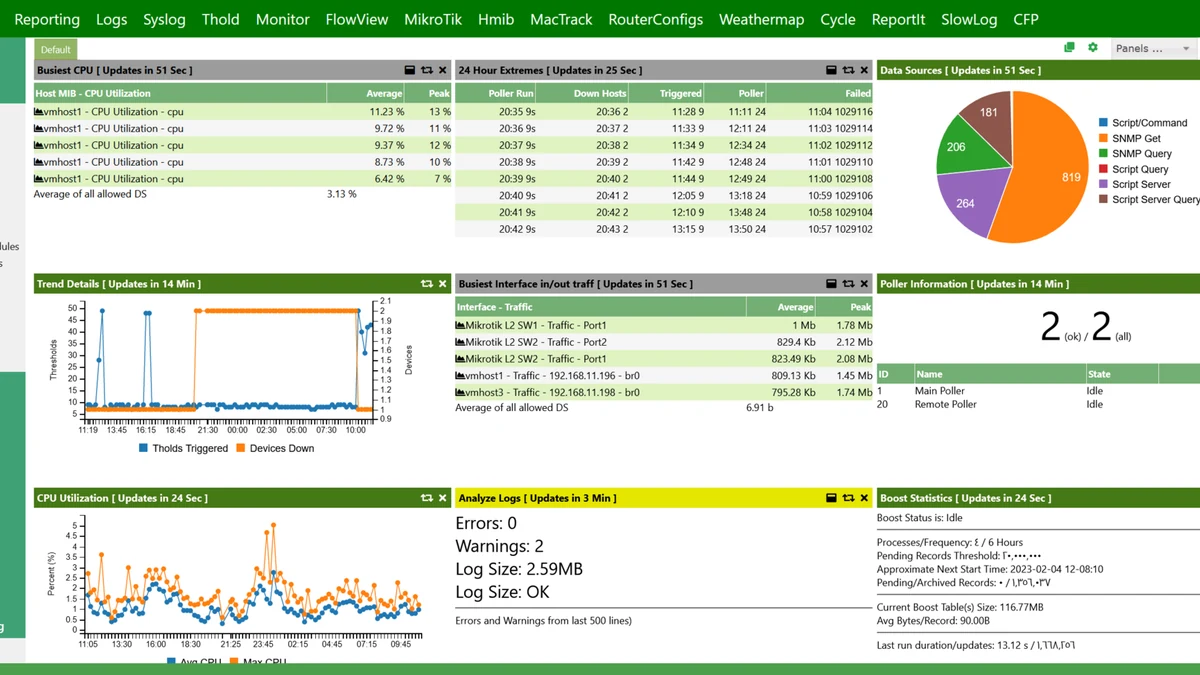
Cacti tiene un cero día sin parche: cuatro peticiones HTTP y el atacante manda en el servidor
Un investigador publicó la prueba de concepto 4HTTP2SHELL contra Cacti 1.2.31. Basta con que la cuenta de invitado esté activa: inyección SQL almacenada, poller manipulado y ejecución de comandos. No hay CVE ni corrección.
Cacti has an unpatched zero-day: four HTTP requests and the attacker owns the server
A researcher published the 4HTTP2SHELL proof of concept against Cacti 1.2.31. All it takes is an enabled guest account: stored SQL injection, a tampered poller and command execution. No CVE, no fix.