
Un fallo de 9,3 en la plataforma abierta con la que gobiernos que suman 2.000 millones de personas dan servicios
CERT-In avisa de una inyección SQL que se explota sin autenticación en DIGIT, el núcleo de código abierto con el que India gestiona servicios municipales y que ha exportado a nueve países. Hay corrección, pero cada ayuntamiento tiene que aplicarla.
CERT-In warns of an SQL injection that needs no authentication in DIGIT, the open-source core India uses for municipal services and has exported to nine countries. A fix exists, but every local body has to apply it.

Un SELECT que no debería llegar nunca
La agencia india de ciberseguridad, CERT-In, publicó el 25 de noviembre el aviso CIVN-2026-0570 sobre una vulnerabilidad en DIGIT, la plataforma modular con la que estados y municipios prestan servicios al ciudadano. El fallo está en los componentes de usuario y control de acceso de DIGIT Core y permite a un atacante no autenticado enviar una petición manipulada a un endpoint de la API y ejecutar consultas SQL arbitrarias. Es decir: leer, modificar o borrar lo que haya en la base de datos.
El CVE asignado, CVE-2026-136706, tiene una puntuación de 9,3 sobre 10 en la versión 4.0 del estándar, con impacto alto en confidencialidad, integridad y disponibilidad. Lo reportó Sarthak Chauhan. La debilidad es la de siempre, CWE-89: el código construye consultas concatenando lo que le llega del usuario.
La escala es el problema
DIGIT —Digital Infrastructure for Governance, Impact and Transformation— lo desarrolla la fundación eGov y funciona como una caja de piezas: autenticación, cobro de tasas, certificados, licencias. Encima de ese núcleo, terceros construyen módulos para gestionar nacimientos y defunciones, recaudar impuestos o controlar plantas de tratamiento de agua.
En India lo usan todos los estados y territorios de la Unión y más de 20.000 entidades de gobierno local, con más de mil despliegues vivos en ciudades y organismos. La plataforma nacional de gobernanza urbana, UPYOG, se construyó sobre DIGIT y se ofrece como referencia a más de 4.000 ciudades y pueblos, con 30 estados adheridos. Fuera del país, el gobierno indio regala el software como «bien público digital»: Mozambique, Liberia, Senegal, Nigeria, Burundi, Etiopía, Indonesia, Jamaica y Sri Lanka lo han implementado en algún grado. Sumando poblaciones, son gobiernos que atienden a más de dos mil millones de personas.
«Un atacante remoto no autenticado podría explotar esta vulnerabilidad enviando una entrada especialmente diseñada a través del endpoint afectado de la API», advierte el aviso del CERT-In.
Las versiones no cuadran
Aquí empieza la parte incómoda. CERT-In pide actualizar a la v2.9.3. Pero el aviso que publicó el propio mantenedor el 19 de noviembre sitúa la corrección de las dos funciones afectadas —las búsquedas de egov-user y egov-accesscontrol— en la v2.9.4, con la 2.9.3 como versión afectada. Las dos fuentes no coinciden en el número, así que lo prudente es instalar la última versión disponible y no la que diga un solo documento.
Nadie ha dicho si el fallo se ha explotado. CERT-In no lo afirma, no hay ninguna brecha confirmada y tampoco se sabe cuántos despliegues corren la versión vulnerable ni si la fundación avisó uno por uno a estados y municipios.
El riesgo real no está en el código, que ya tiene parche, sino en la cola de actualizaciones: un ayuntamiento que instaló DIGIT hace dos años y lo trata como infraestructura de fondo. Ahí dentro hay padrón de contribuyentes, licencias de comercio, certificados de nacimiento, nóminas y expedientes judiciales.
Fuentes: CERT-In, aviso CIVN-2026-0570, CVE-2026-136706, aviso de eGov, The Register, MediaNama.
A SELECT that should never get through
India's cybersecurity agency, CERT-In, published advisory CIVN-2026-0570 on 25 November about a vulnerability in DIGIT, the modular platform states and municipalities use to deliver services to citizens. The flaw sits in the user and access-control components of DIGIT Core and lets an unauthenticated attacker send a crafted request to an API endpoint and run arbitrary SQL queries. In plain terms: read, change or delete whatever the database holds.
The assigned CVE, CVE-2026-136706, scores 9.3 out of 10 under version 4.0 of the standard, with high impact on confidentiality, integrity and availability. It was reported by Sarthak Chauhan. The weakness is the familiar one, CWE-89: code that builds queries by concatenating user input.
Scale is the problem
DIGIT — Digital Infrastructure for Governance, Impact and Transformation — is built by the eGov Foundation and works as a box of parts: authentication, fee collection, certificates, licences. On top of that core, third parties build modules to manage births and deaths, collect taxes or run water treatment plants.
In India it is used by every state and union territory and more than 20,000 local government entities, with over a thousand deployments live across cities and agencies. The national urban governance platform, UPYOG, was built on DIGIT and is offered as a reference to more than 4,000 cities and towns, with 30 states signed on. Abroad, India gives the software away as a «digital public good»: Mozambique, Liberia, Senegal, Nigeria, Burundi, Ethiopia, Indonesia, Jamaica and Sri Lanka have implemented it to some degree. Add the populations up and these are governments serving over two billion people.
«An unauthenticated remote attacker could exploit this vulnerability by sending specially crafted input through the affected API endpoint,» CERT-In's advisory warns.
The version numbers do not match
Here is the awkward part. CERT-In tells administrators to upgrade to v2.9.3. But the advisory the maintainer published on 19 November puts the fix for the two affected functions — the egov-user and egov-accesscontrol search endpoints — in v2.9.4, listing 2.9.3 as affected. The two documents disagree on the number, so the prudent move is to install the newest release available rather than the one a single document names.
Nobody has said whether the flaw has been exploited. CERT-In does not claim it, no breach has been confirmed, and it is unclear how many deployments run the vulnerable version or whether the foundation notified states and municipalities one by one.
The real risk is not the code, which now has a patch, but the update backlog: a council that installed DIGIT two years ago and treats it as background infrastructure. Inside sits the taxpayer register, trade licences, birth certificates, payroll and court records.
Fuentes: CERT-In advisory CIVN-2026-0570, CVE-2026-136706, eGov advisory, The Register, MediaNama.
Sigue leyendo
Keep reading

Unos 100.000 residentes de Colorado exponen documentos de identidad en la brecha de myColorado
Los atacantes entraron en el apartado donde los usuarios guardan PDF y fotos de carnés, matrículas y pólizas. La aplicación oficial del estado sigue fuera de línea una semana después y el estado empezó a avisar a los afectados este viernes.
Some 100,000 Colorado residents have identity documents exposed in the myColorado breach
Attackers got into the section where users store PDFs and photos of licences, registrations and insurance cards. The state's official app is still offline a week later and notifications began on Friday.
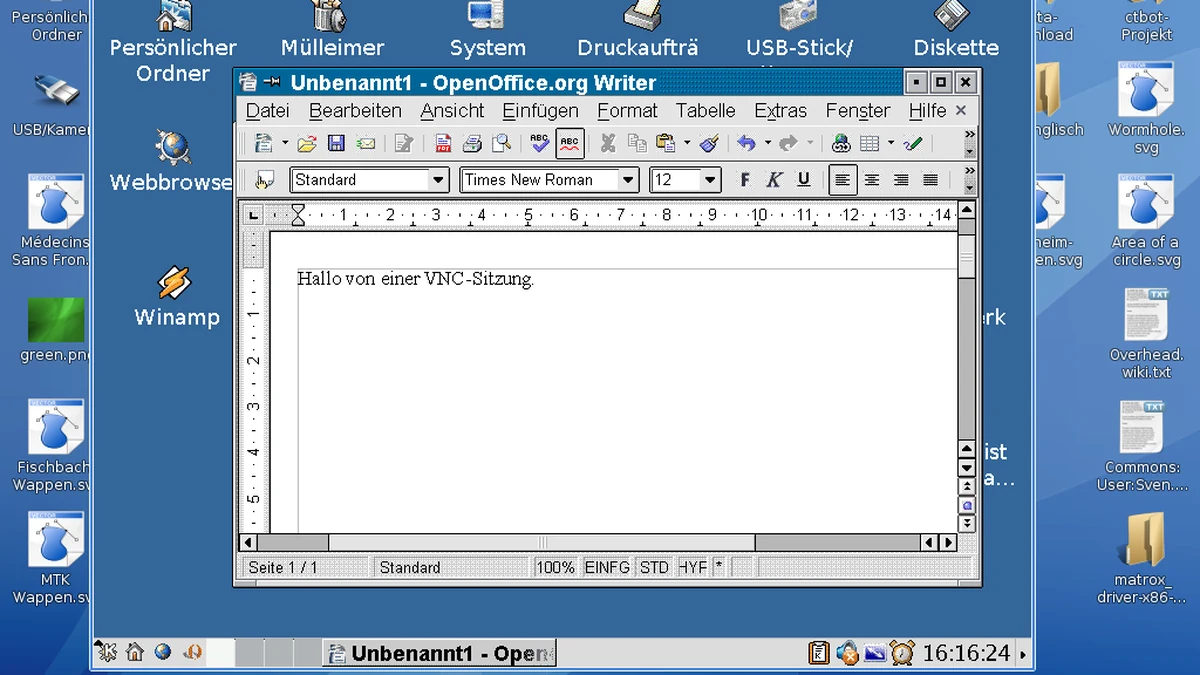
RealVNC corrige un fallo crítico que permite entrar sin autenticarse por UDP
CVE-2026-137738, con 9,8 sobre 10, es una escritura fuera de límites en las conexiones UDP de RealVNC. Permite ejecutar código de forma remota —como root en algunas plataformas— o tumbar el servicio antes del inicio de sesión.
RealVNC patches a critical flaw that lets attackers in without logging in, over UDP
CVE-2026-137738, rated 9.8 out of 10, is an out-of-bounds write in RealVNC's UDP connections. It allows remote code execution — as root on some platforms — or a crash, before authentication.
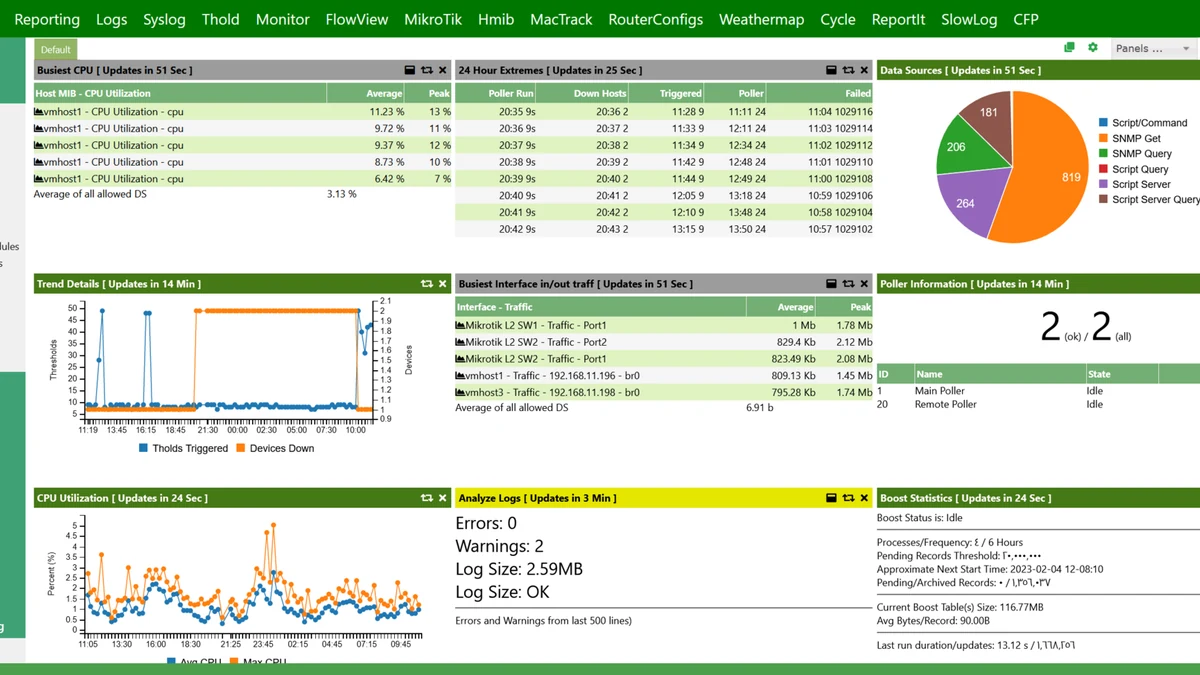
Cacti tiene un cero día sin parche: cuatro peticiones HTTP y el atacante manda en el servidor
Un investigador publicó la prueba de concepto 4HTTP2SHELL contra Cacti 1.2.31. Basta con que la cuenta de invitado esté activa: inyección SQL almacenada, poller manipulado y ejecución de comandos. No hay CVE ni corrección.
Cacti has an unpatched zero-day: four HTTP requests and the attacker owns the server
A researcher published the 4HTTP2SHELL proof of concept against Cacti 1.2.31. All it takes is an enabled guest account: stored SQL injection, a tampered poller and command execution. No CVE, no fix.