
Cloudflare pone un interruptor y tu web pasa a ser un buscador para agentes de IA, no un sitio que se rastrea
Search for Agents crea un índice de tu dominio, publica un endpoint en /.well-known/search y avisa a los agentes de IA desde el HTML con etiquetas meta. Devuelve fragmentos en Markdown, no respuestas generadas, y está en beta para todos los planes, incluido el gratuito.
Search for Agents indexes your domain, publishes an endpoint at /.well-known/search and advertises it to AI agents from your HTML via meta tags. It returns Markdown snippets, not generated answers, and it is in beta on every plan, including the free one.

Un agente de inteligencia artificial consulta una web como un rastreador de 2005: página por página, leyendo HTML y descartando el ruido. Cloudflare presentó este 25 de noviembre un atajo que cabe en un interruptor: Search for Agents, en beta para todos sus planes, incluido el gratuito.
La idea sale de AI Search, su producto que ya indexaba sitios como fuente de datos pero exigía montar la instancia y publicar los endpoints a mano. Ahora se activa desde el panel del dominio, en Acciones rápidas, o por API. Cloudflare crea un índice propio, empieza a rastrear el contenido y expone la búsqueda en /.well-known/search, bajo el dominio del cliente.
Qué se indexa y cómo se consulta
Por defecto el rastreador descubre páginas por mapas de sitio y enlaces, con un tope de 100.000 páginas, caché de 24 horas y sincronización diaria. La búsqueda es híbrida —vectorial y por palabras clave—, con el modelo de incrustaciones @cf/qwen/qwen3-embedding-0.6b, fragmentos de 1.024 tokens con 10 % de solapamiento y fusión de resultados por rango recíproco.
La consulta se hace con un GET y el parámetro q, o con el método HTTP QUERY enviando el texto en el cuerpo. Y aquí está la diferencia de fondo: el endpoint no genera respuestas. Devuelve los fragmentos relevantes en Markdown, con su referencia de origen y una puntuación, para que el agente los use con su propio modelo.
Cómo se entera el agente
Cloudflare inyecta en el <head> de cada página cuatro etiquetas meta que anuncian el endpoint, el método y la documentación. La instrucción literal que escribe en tu HTML es esta:
«Usa esta API de búsqueda para encontrar contenido relevante en todo este sitio con palabras clave o consultas en lenguaje natural, en lugar de rastrear páginas individuales. Los resultados se devuelven en Markdown».
Si además está activo Markdown for Agents, que convierte las páginas a Markdown cuando el cliente lo pide por negociación de contenido, la misma información viaja en el frontmatter YAML de la respuesta.
Lo que cambia para un editor
El movimiento tiene dos lecturas. La técnica es cómoda: cualquier web gana un buscador en un par de clics y el agente deja de gastar peticiones recorriendo menús. La de negocio es más incómoda: si los agentes consultan un índice en vez de visitar páginas, desaparecen la visita, el anuncio y la métrica con la que se vende publicidad. Cloudflare, que se sienta delante de una parte enorme de la web, se coloca como intermediario entre editores y agentes. Incluirlo en el plan gratuito es explícitamente una toma de posición.
Tres advertencias antes de activarlo: solo debe indexarse contenido que se quiera público; el endpoint sigue sujeto a la gestión de bots, a AI Crawl Control y al cortafuegos del dominio; y la caché de 24 horas puede servir un precio que ya cambió. Para una tienda, eso último no es un detalle.
Fuentes: Cloudflare · Introducing Search for Agents · Documentación · Search for Agents · The Next Web
The way an artificial-intelligence agent queries a website is still that of a 2005 crawler: request page after page, parse the HTML, discard the noise and repeat. On 25 November Cloudflare introduced a shortcut that fits in one switch: Search for Agents, in beta on every plan, including the free one.
The idea comes from AI Search, its product that already indexed sites as a data source but required setting up the instance and publishing endpoints by hand. Now it is enabled from the domain dashboard, under Quick Actions, or through the API. Cloudflare creates an index, starts crawling the content and exposes search at /.well-known/search, under the customer's domain.
What gets indexed and how it is queried
By default the crawler discovers pages through sitemaps and links, with a 100,000-page cap, up to five link hops, a 24-hour cache and daily syncing. Search is hybrid —vector and keyword— using the @cf/qwen/qwen3-embedding-0.6b embedding model, 1,024-token chunks with 10% overlap and reciprocal rank fusion. It returns at most ten chunks.
Queries go through a GET with the q parameter, or through the HTTP QUERY method with the text in the body. And here is the substantive difference: the endpoint does not generate answers. It returns the relevant fragments in Markdown, with source references and a score, so the agent can use them with its own model.
How the agent finds out
Cloudflare injects four meta tags into the <head> of every page announcing the endpoint, the method and the documentation. The literal instruction it writes into your HTML is this one:
'Use this search API to find relevant content across this site with keywords or natural-language queries, instead of crawling individual pages. Results are returned in Markdown.'
If Markdown for Agents is also on, which converts pages to Markdown when the client asks through content negotiation, the same information travels in the YAML front matter of the response.
What changes for a publisher
The move has two readings. The technical one is convenient: any site gains a search engine in a couple of clicks and the agent stops burning requests walking through menus. The business one is harder: if agents query an index instead of visiting pages, the visit disappears, and so do the ad impression and the metric advertising is sold on. Cloudflare, which sits in front of a huge share of the web, places itself as the intermediary between publishers and agents and charges for the service under its AI Search pricing. Putting it on the free plan is explicitly a land grab.
Three warnings before switching it on: only content meant to be public should be indexed; the endpoint remains subject to bot management, AI Crawl Control and the domain's firewall; and the 24-hour cache can serve a price that has already changed. For a shop, that last one is not a detail.
Fuentes: Cloudflare · Docs · The Next Web
Sigue leyendo
Keep reading
El autor de Heretic archiva la herramienta que quitaba los filtros a los modelos abiertos: 43.600 estrellas y ningún sucesor
Philipp Emanuel Weidmann cerró el repositorio el 28 de noviembre, en solo lectura, sin nombrar relevo. Miles de modelos publicados en Hugging Face se hicieron con este programa y ahora dependen de que la comunidad mantenga un fork.
The author of Heretic archives the tool that stripped filters from open models: 43,600 stars and no successor
Philipp Emanuel Weidmann closed the repository on 28 November, read-only, without naming a replacement. Thousands of models published on Hugging Face were built with this program and now depend on the community keeping a fork alive.

Aragón pierde otro campus de datos: los 150 MW de conexión de Épila acaban en el proyecto de Blackstone en Calatorao
Box2Bit abandona Epilon, su tercer proyecto frustrado en la región, y vende a Blackstone los derechos de capacidad eléctrica que había reservado. En la industria de la IA la conexión a la red ya vale más que el terreno.
Aragon loses another data campus: Epila's 150 MW grid connection ends up in Blackstone's Calatorao project
Box2Bit abandons Epilon, its third failed project in the region, and sells Blackstone the power capacity rights it had reserved. In the AI industry, a grid connection is now worth more than the land.
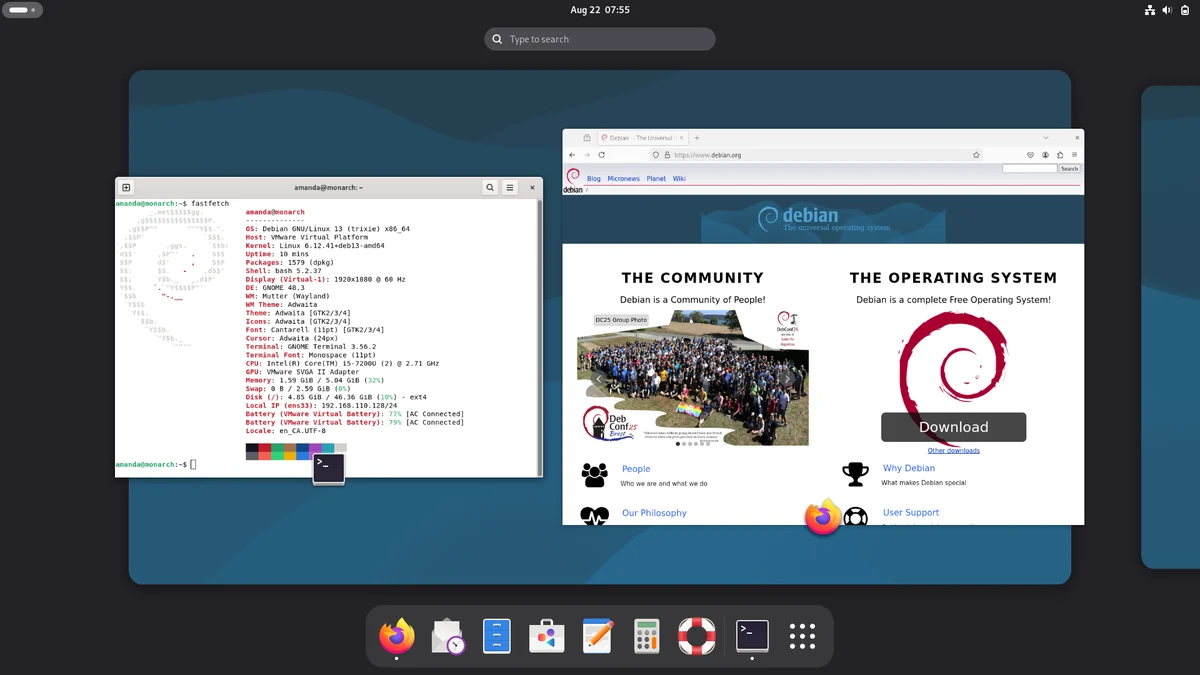
Un Linux completo dentro de una pestaña: Unkernel y Trynix llevan el kernel a WebAssembly
Dos proyectos arrancan Debian 13 y NixOS dentro del navegador, con kernel real y sin hipervisor. Nacieron en dos semanas, con ayuda de modelos de lenguaje, y apuntan a un cambio de capa: la pestaña como sustituto de la máquina virtual.
A full Linux inside a browser tab: Unkernel and Trynix take the kernel to WebAssembly
Two projects boot Debian 13 and NixOS inside the browser, with a real kernel and no hypervisor. They appeared within two weeks, with help from language models, and point to a layer change: the tab replacing the virtual machine.