
Cisco y OpenAI lanzan «Shirudo»: defensas de emergencia escritas por agentes dentro del kernel
Una herramienta abierta basada en eBPF para crear controles compensatorios a toda velocidad cuando no hay tiempo ni ventana para actualizar. Nace del diluvio de más de 100.000 fallos reportados este año.
Una herramienta abierta basada en eBPF para crear controles compensatorios a toda velocidad cuando no hay tiempo ni ventana para actualizar. Nace del diluvio de más de 100.000 fallos reportados este año.
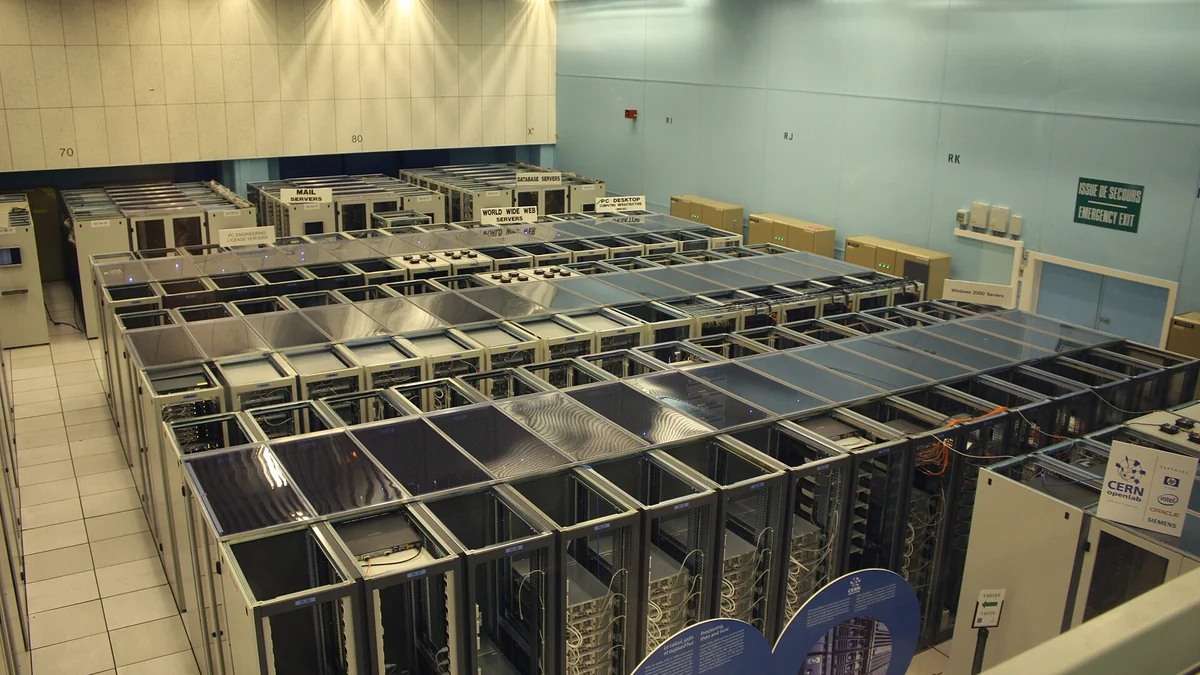
Cisco y OpenAI publicaron Shirudo, una herramienta de código abierto que usa eBPF —la tecnología que permite ejecutar programas aislados dentro del kernel de Linux— para desplegar controles compensatorios: defensas que protegen un sistema mientras el parche definitivo no llega o no se puede aplicar.
«Shirudo» significa «escudo» en japonés, y así llaman a los programas que genera.
El problema que intenta resolver
Este año se han reportado más de 100.000 fallos de software, una cifra sin precedentes que muchos atribuyen en parte a los buscadores de errores basados en IA. Las organizaciones no solo tienen que parchear más rápido: tienen que probar cada parche y encontrar una ventana para aplicarlo sin tumbar el servicio.
Ahí entran los controles compensatorios: cambios en la configuración o en el entorno que bloquean la explotación sin tocar el código.
La propuesta, en dos pasos
- Que agentes escaneen la infraestructura buscando vulnerabilidades.
- Que esos agentes usen herramientas como Codex para escribir los controles como programas eBPF, «a velocidad de máquina».
Los programas eBPF tienen ventajas claras aquí: se ejecutan dentro del kernel, ven lo que pasa y no necesitan reiniciar el sistema. Y también un riesgo claro: un eBPF mal escrito puede tumbar la máquina o abrir un agujero nuevo.
Por eso Cisco y OpenAI imaginan un flujo con revisión humana antes de aplicar el escudo.
Lo que conviene tener claro
Un control compensatorio no es un parche. Reduce el riesgo, no lo elimina, y suele quedarse más tiempo del previsto porque, una vez que el sistema funciona, nadie vuelve a tocarlo.
El parche perfecto no existe. El escudo que compra tiempo, sí.
Fuentes: The Register
Cisco and OpenAI released Shirudo, an open-source tool that uses eBPF — the technology that lets sandboxed programs run inside the Linux kernel — to deploy compensating controls: defences that protect a system while the definitive patch is unavailable or cannot be applied.
"Shirudo" is Japanese for "shield", which is what they call the programs it generates.
The problem it tries to solve
More than 100,000 software flaws have been reported this year, an unprecedented number many partly attribute to AI-powered bug finders. Organisations must not only patch faster: they have to test each fix and find a window to apply it without taking the service down.
That is where compensating controls come in: configuration or environment changes that block exploitation without touching the code.
The proposal, in two steps
- Agents scan the infrastructure for vulnerabilities.
- Those agents use tools such as Codex to write the controls as eBPF programs, "at machine speed".
eBPF programs have clear advantages here: they run inside the kernel, see what happens and need no reboot. They also carry a clear risk: badly written eBPF can take the machine down or open a new hole.
That is why Cisco and OpenAI envision human review before a shield is applied.
What to keep in mind
A compensating control is not a patch. It reduces risk, it does not remove it, and it usually stays longer than planned because, once the system works, nobody touches it again.
The perfect patch does not exist. The shield that buys time does.
Sources: The Register
Sigue leyendo
Keep reading

Unos 100.000 residentes de Colorado exponen documentos de identidad en la brecha de myColorado
Los atacantes entraron en el apartado donde los usuarios guardan PDF y fotos de carnés, matrículas y pólizas. La aplicación oficial del estado sigue fuera de línea una semana después y el estado empezó a avisar a los afectados este viernes.
Some 100,000 Colorado residents have identity documents exposed in the myColorado breach
Attackers got into the section where users store PDFs and photos of licences, registrations and insurance cards. The state's official app is still offline a week later and notifications began on Friday.
RealVNC corrige un fallo crítico que permite entrar sin autenticarse por UDP
CVE-2026-137738, con 9,8 sobre 10, es una escritura fuera de límites en las conexiones UDP de RealVNC. Permite ejecutar código de forma remota —como root en algunas plataformas— o tumbar el servicio antes del inicio de sesión.
RealVNC patches a critical flaw that lets attackers in without logging in, over UDP
CVE-2026-137738, rated 9.8 out of 10, is an out-of-bounds write in RealVNC's UDP connections. It allows remote code execution — as root on some platforms — or a crash, before authentication.
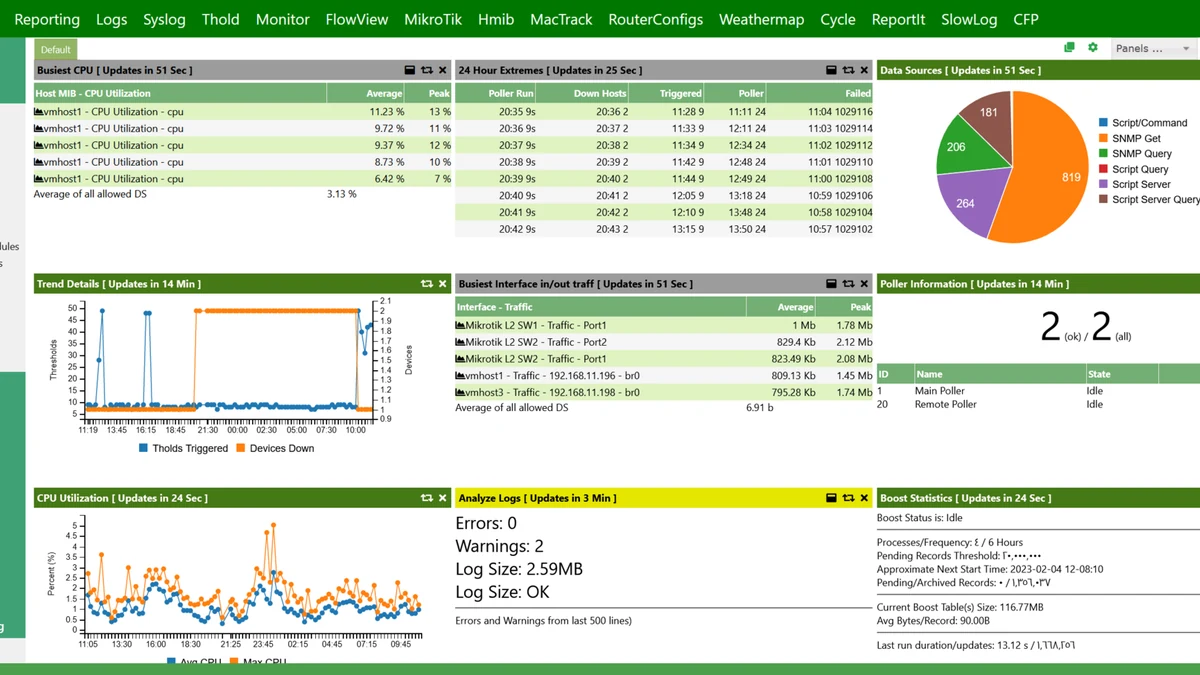
Cacti tiene un cero día sin parche: cuatro peticiones HTTP y el atacante manda en el servidor
Un investigador publicó la prueba de concepto 4HTTP2SHELL contra Cacti 1.2.31. Basta con que la cuenta de invitado esté activa: inyección SQL almacenada, poller manipulado y ejecución de comandos. No hay CVE ni corrección.
Cacti has an unpatched zero-day: four HTTP requests and the attacker owns the server
A researcher published the 4HTTP2SHELL proof of concept against Cacti 1.2.31. All it takes is an enabled guest account: stored SQL injection, a tampered poller and command execution. No CVE, no fix.