
El ransomware Booba salta de una planta de agua potable a la red del ayuntamiento que la vigila
ThreatDown relata un incidente en la costa este de Estados Unidos: el ataque se preparó en el lado de la planta, sin cobertura de detección, y se detuvo tres máquinas después de entrar en el lado del Gobierno local. No hubo impacto en el suministro.
ThreatDown describes an incident on the US East Coast: the attack was staged on the plant's side, with no detection coverage, and stopped three machines after crossing into the local government's side. Water supply was not affected.
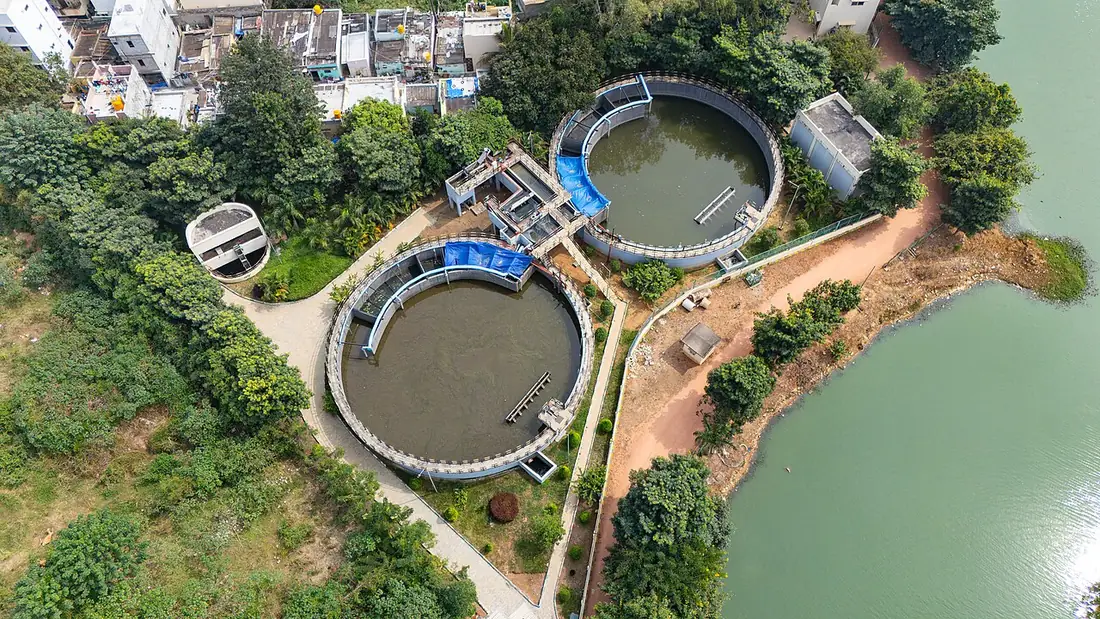
Una red partida en dos
La escena la describió ThreatDown, la división de ciberseguridad de Malwarebytes, en un informe publicado el viernes. Una planta de tratamiento de agua de la costa este de Estados Unidos recibió un ataque de ransomware en noviembre. El grupo Booba cifró equipos del lado de la planta, gestionado por un proveedor externo sin cobertura de detección, y desde ahí saltó a la red del Gobierno local que la supervisa.
Cuando los analistas llamaron al cliente descubrieron el dibujo real: la red estaba partida. El lado municipal, con los registros y los datos personales de los vecinos, estaba bajo su vigilancia. El de la planta, no. El ataque se preparó y se lanzó precisamente en el tramo sin ojos.
48, 45 y 3
La respuesta fue un bloqueo de emergencia de 48 máquinas en el lado del Gobierno local. Se salvaron 45. Tres ya estaban cifradas. En la planta, el otro proveedor apagó todos los equipos mientras remediaba en el sitio. ThreatDown asegura que no hay indicios de que el incidente interrumpiera el suministro de agua ni afectara su calidad; tampoco aparecieron avisos de hervir el agua como en otros episodios.
«La red estaba partida en dos, algo que nuestros analistas supieron solo cuando llamaron al cliente. En el lado del Gobierno local, la primera señal del ataque fue el propio cifrado, justo en la línea donde empezaba nuestra cobertura.»
Un grupo joven y rápido
Booba apareció este verano y ya representa el 44 % de los compromisos por ransomware que ThreatDown atendió en los últimos 90 días. Fuera de esa cartera el salto también se nota: SOCRadar, que lo sigue como Booba Project, tenía contadas 81 víctimas reclamadas al 17 de noviembre, con ayuntamientos entre los objetivos. La firma cree que su facilidad de uso explica la expansión.
ThreatDown insiste en otro punto: cada vez ve más casos en los que el cifrado llega desde equipos sin agente de seguridad instalado. Si el agente está en la máquina donde empieza el ataque, hay una oportunidad de frenarlo mientras se prepara; si no está, el equipo no da nada que ver. El ransomware no pregunta quién gestiona una máquina antes de moverse.
El contexto no es menor. En julio, la agencia de ciberseguridad estadounidense CISA vio ataques contra más de 100 sistemas de agua y aguas residuales expuestos a internet, y Minnesota informó de una ofensiva coordinada contra más de 30 sistemas comunitarios; algunas obligaron a operar a mano y a emitir avisos de ebullición. Aquí no hubo nada de eso, pero el patrón se repite: infraestructura crítica con dos proveedores, dos redes y un solo atacante.
Fuentes: ThreatDown, Industrial Cyber, SOCRadar.
A network split in two
The scene was described by ThreatDown, Malwarebytes' cybersecurity division, in a report published on Friday. An East Coast water treatment plant took a ransomware hit in November. The Booba gang encrypted machines on the plant's side, managed by an outside provider with no detection coverage, and from there crossed into the network of the local government that oversees it.
When the analysts called the customer they found the real picture: the network was split. The municipal side, home to records and residents' personal data, was under their watch. The plant's side was not. The attack was staged and launched precisely in the stretch with no eyes on it.
48, 45 and 3
The response was an emergency lockdown of 48 machines on the local government's side. Forty-five were saved. Three were already encrypted. At the plant, the other provider took every computer offline while it remediated on site. ThreatDown says there is no evidence the incident disrupted water operations or affected water quality; there were no boil-water notices either, unlike in other episodes.
«The network was split in two, something our analysts learned only when they called the customer. On the local government's side, the first sign of the attack was the encryption itself, at the exact line where our coverage began.»
A young, fast-moving gang
Booba appeared this summer and already accounts for 44% of the ransomware compromises ThreatDown handled in the last 90 days. Outside that caseload the surge shows too: SOCRadar, which tracks it as the Booba Project, had counted 81 claimed victims by 17 November, with local governments among the targets. The firm believes its ease of use explains the spread.
ThreatDown makes another point: it increasingly sees encryption arriving from machines with no security agent installed. If the agent sits on the machine where an attack starts, there is a chance to stop it while it is still being staged; if it does not, the machine shows nothing. Ransomware does not ask who manages a computer before it moves.
The context matters. In July, the US Cybersecurity and Infrastructure Security Agency saw attacks on more than 100 internet-exposed water and wastewater systems, and Minnesota reported a coordinated campaign against more than 30 of its community systems; some forced operators to run systems by hand and issue boil-water notices. None of that happened here, but the pattern repeats: critical infrastructure with two providers, two networks and a single attacker.
Fuentes: ThreatDown, Industrial Cyber, SOCRadar.
Sigue leyendo
Keep reading
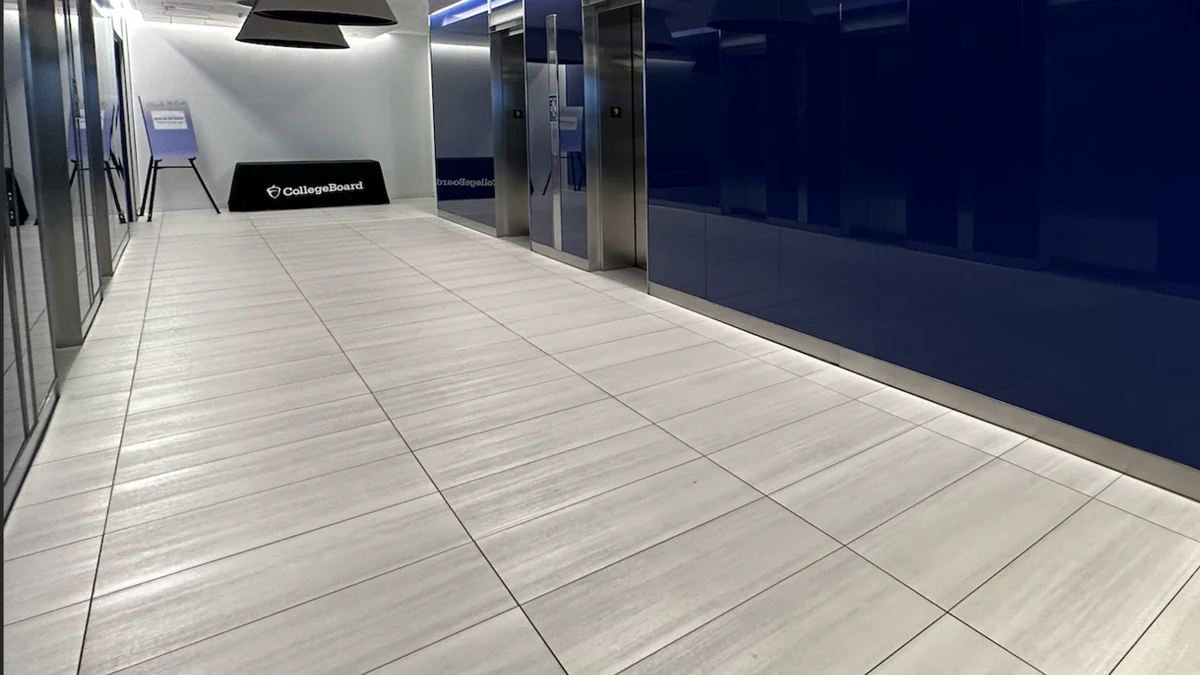
College Board confirma la brecha: entraron a las cuentas nuevas y a las solicitudes de ayuda financiera
La organización del SAT y los exámenes AP dice que los atacantes usaron herramientas de IA para encontrar un fallo en la página de registro. Desactivó el registro de cuentas y el CSS Profile en plena temporada de solicitudes de ingreso.
College Board confirms the breach: attackers got into new accounts and financial aid applications
The organisation behind the SAT and AP exams says attackers used AI tools to find a flaw on the sign-up page. It switched off new account registration and the CSS Profile in the middle of college application season.
Los instaladores oficiales de Q-Dir y DesktopOK traían un RAT de Python: abrían el programa de verdad y espiaban por detrás
AhnLab confirmó que algunos instaladores servidos por la web oficial de SoftwareOK, incluidos los de la ruta de actualización, estaban manipulados. Ejecutan la utilidad legítima, firmada y con el hash publicado, mientras descargan un troyano que lleva su propio intérprete de Python.
Official Q-Dir and DesktopOK installers carried a Python RAT: they opened the real program and spied behind it
AhnLab confirmed that some installers served by SoftwareOK's official site, including those on the update path, had been tampered with. They run the legitimate, signed utility matching the published hash while downloading a trojan that ships its own Python runtime.
Un troyano escondido al final de dos modelos de IA: 2.428 descargas en Hugging Face y una plantilla que pide ejecutar PowerShell
Un escaneo de los 3,27 millones de repositorios públicos de Hugging Face encontró cinco modelos GGUF maliciosos, dos de ellos con un programa de Windows pegado después del último tensor. Días después, la plantilla de chat se cambió para que el propio modelo dictara el comando que lo despierta.
A trojan hidden at the end of two AI models: 2,428 downloads on Hugging Face and a template that asks you to run PowerShell
A scan of all 3.27 million public Hugging Face repositories found five malicious GGUF models, two of them carrying a Windows program appended after the last tensor. Days later the chat template was rewritten so the model itself prints the command that wakes it up.